At least 13 nations have been banned from World Cup tournaments throughout the years – but why?
By
In total, since the World Cup’s inception in 1930, 13 nations have been banned from taking part in the tournament. Most bans arise for one of three reasons: conflict and international sanctions, governmental interference or sporting violations.
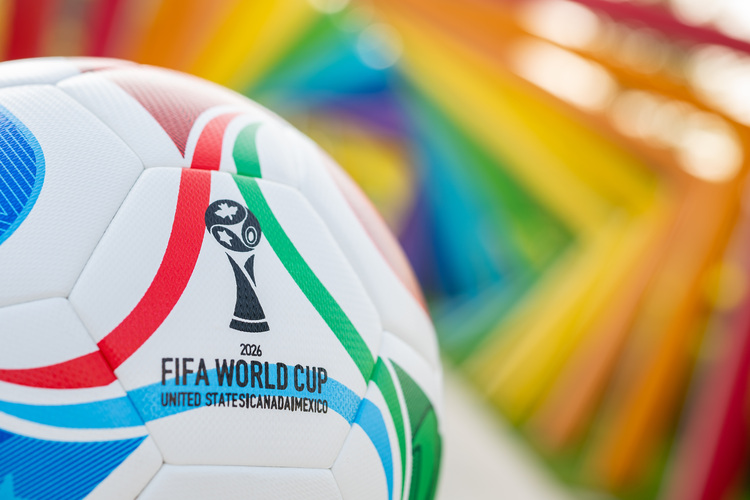
This year, the World Cup has seen 48 teams come together across Mexico, Canada and the US to vie for the winning title. However, one team – Russia – remains banned for a second consecutive cycle of the tournament due to the ongoing invasion of Ukraine.
So, which other countries have historically been banned from the World Cup? Here, we reveal all 13 and the reasons behind their bans:
Germany – 1950
In 1950, Germany could not participate in that year’s World Cup as the German Football Association were excluded from FIFA after Second World War. The association was only readmitted in September 1950 when the tournament had ended.
Related reads…
Japan – 1950
In the same year, Japan was also excluded from playing in the World Cup for largely the same reasons as Germany. The Japan Football Association were expelled from FIFA following Second World War and was not allowed back in until September 1950.
South Africa – 1970-1990
South Africa was banned from international football for around two decades as its national football system enforced apartheid. FIFA initially suspended the South African association in 1961 over its racially segregated structure, and it was formally expelled from FIFA in 1976.
Eventually, a new and unified South African football association was created and FIFA reinstated the nation’s membership in 1992.
Mexico – 1990
Mexico was banned from the 1990 World Cup as it fielded overage players in an under-20s qualifying tournament. An investigation confirmed four players were older than the tournament’s limit, so FIFA imposed a two-year ban on all Mexican national teams – not just its youth side – covering qualification for the 1990 FIFA World Cup.
Yugoslavia – 1994
FIFA removed Yugoslavia (then comprising Serbia and Montenegro) from the 1994 World Cup qualifying competition due to UN sanctions imposed during the Yugoslav wars.
In May 1992, the UN Security Council adopted a resolution which required states to prevent Yugoslav representatives from participating in international sporting events.
Libya – 1994
Libya was excluded from the 1994 FIFA World Cup qualifiers due to UN sanctions imposed in response to the Lockerbie bombing and Libya’s refusal to hand over suspects.
In 1992, the UN Security Council adopted a resolution imposing sanctions such as an international air embargo after Libya refused to surrender two suspects in the bombing on Pan Am Flight 103 over Lockerbie.
Chile – 1994
Chile’s absence in the 1994 World Cup was the result of a highly unusual scandal.
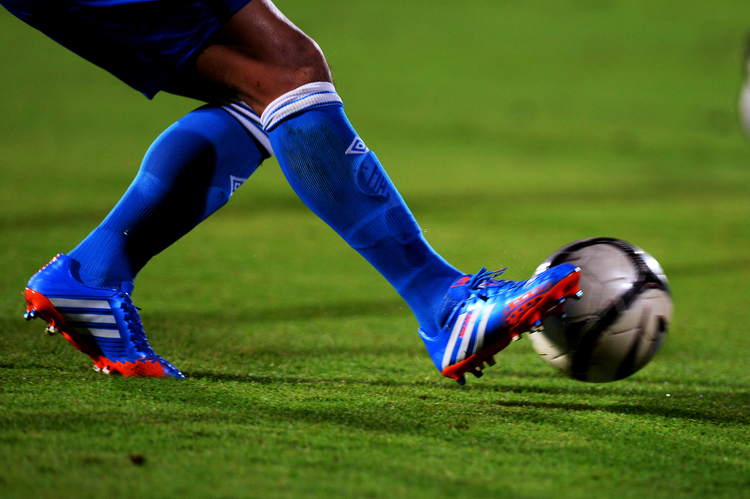
In a 1990 World Cup qualifier match, Chile were being beaten by Brazil with a score of 1-0. With just 20 minutes left in the match, goalkeeper Roberto Rojas suddenly fell to the floor, allegedly after being hit with a flare. However, it was revealed that this was a planned incident: in reality, Rojas had used a razor blade hidden in his gloves to cut his own head while lying on the floor.
As a result, FIFA suspended Chile from the 1994 World Cup, and issued a lifetime ban to Rojas from playing football.
Brunei – 2014
Brunei missed the 2014 World Cup qualifiers because FIFA had suspended its football association over governmental interference.
In December 2008, the Brunei authorities dissolved the nation’s football association and replaced it with a new organisation. FIFA prohibits political intervention in the management of member associations, so suspended Brunei’s association, meaning its teams could no longer play in international games. This suspension was lifted in May 2011 – too late for the nation to join the qualifying competition.
Myanmar – 2018
Myanmar were initially banned from competing in the 2018 World Cup tournament after fan violence erupted during an Asian qualifying match against Oman. Some fans threw rocks and glass bottles at the referree, Omani players and the visiting coach.
However, their ban was lifted by FIFA several months later.
Zimbabwe – 2018
Zimbabwe were expelled from the 2018 World Cup qualifying rounds for failing to pay their former football coach. Despite a grace period, the association did not make payments to Jose Claudinei Georgini.
In 2018, the association was in debt of more than £2.7million, forcing it to auction assets from its training centre to settle legal disputes with a former employee.
Indonesia – 2018
FIFA excluded Indonesia from international football in 2014 after its association failed to resolve a dispute over who ran the game in the country.
This suspension ruled the team out of the 2018 World Cup, as well as the 2019 Asian Cup qualifying games. Its suspension was lifted after a year.
Kuwait – 2018
In 2015, due to failing to resolve a case of government interference in their football association, Kuwait were banned from international football competitions by FIFA. This meant they missed out on the 2018 World Cup.
In 2017, Kuwait were also banned from participating in the Olympics for a second time in five years by the International Olympic Committee due to government interference in the country’s Olympic committee.
Russia – 2022, 2026
Russia has been banned from all FIFA and UEFA competitions since February 2022, following the country’s invasion of Ukraine. Compared to the Olympics – where Russian athletes can compete under a neutral label – football has seen the country entirely absent from its games for the last two World Cups.
‘Both Presidents [of FIFA and UEFA] hope that the situation in Ukraine will improve significantly and rapidly so that football can again be a vector for unity and peace amongst people,’ said FIFA and UEFA in a statement.