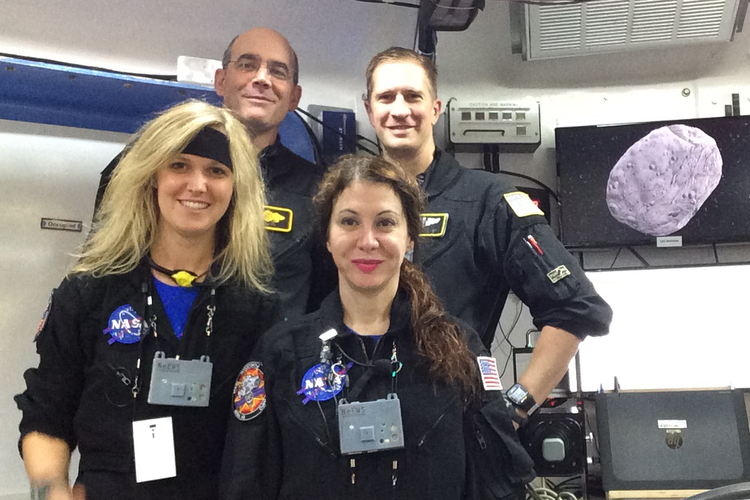
Ulyana Horodyskyj Peña speaks to Victoria Heath about a fascinating NASA simulation of a journey to an asteroid that tested her very limits
Imagine being confined to a 60-square-metre space – simulating a spacecraft – with three other strangers for 30 days. While there, you’ll be eating the same meals time and time again, so much so that there’s a term to dub your gustatory boredom: ‘menu fatigue’. On top of this, you’re tasked with being part of a simulation collecting samples from an asteroid in space. Donning virtual reality headsets, you navigate through VR rocky terrain to obtain said samples multiple times a day.
Together, you and your three comrades toil through simulated emergencies, deal with very real arguments, and endure deliberate sleep deprivation of up to 40 hours – all in the name of science.
Enjoying this article? Check out our related reads:
If it sounds far-flung, think again. This is the reality Ulyana Horodyskyj Peña experienced back in 2016 as part of NASA’s Human Exploration Research Analog (HERA) project. For NASA, the aim was clear: to test the impacts that isolation and confinement could have upon humans, a very likely occurrence for those heading to space for extended periods of time.
Essentially, the 30-day simulation involved ‘flying’ to and from an asteroid to sample its rocks and soil. Upon arriving in the simulation, Peña discovered that she had been chosen as the mission commander. With such a role came vast responsibilities: ensuring that all crew members were safe, coordinating sampling and in general, ensuring that they all returned safely back to Earth. As commander, Peña even had the authority to send crew members home.
For Peña, having the right attitude to the mission was critical. ‘It’s important to think of this not as a simulation, but a very real scenario.’
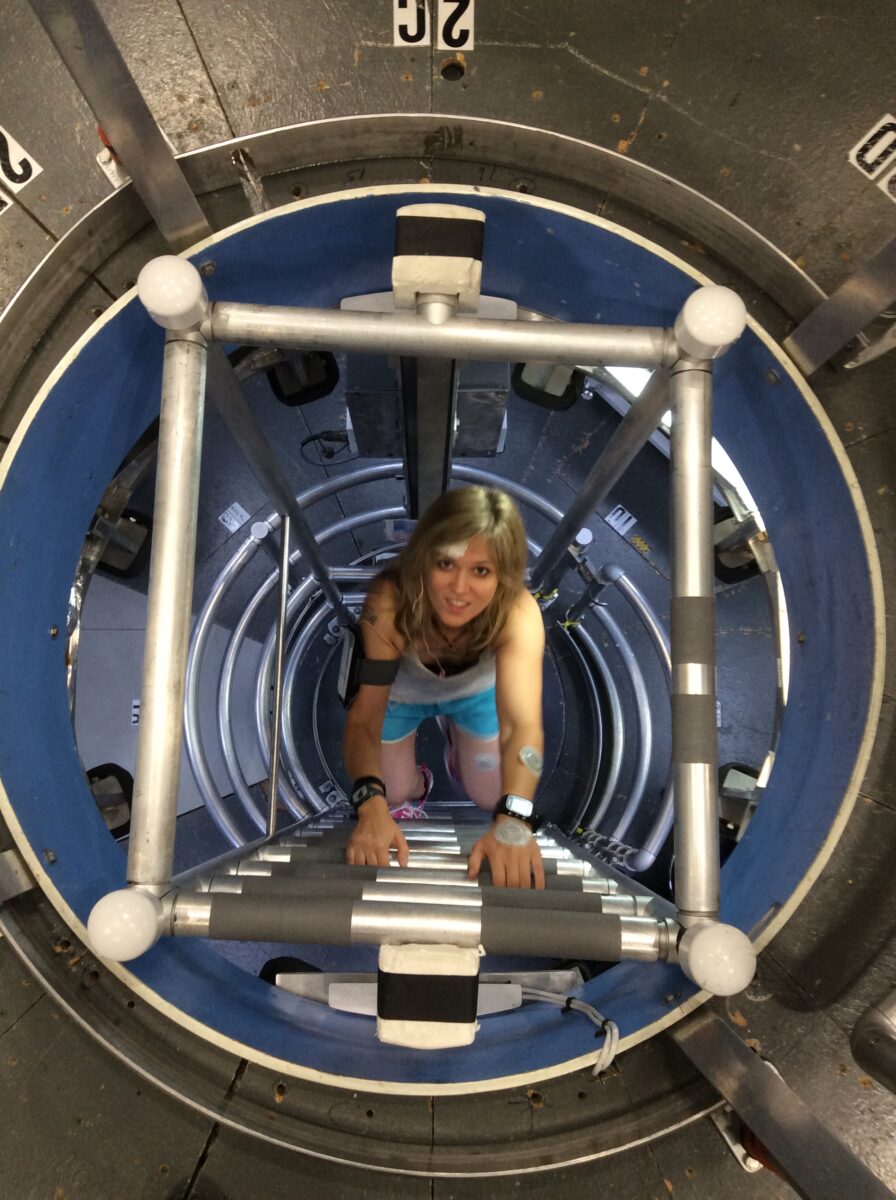
As Peña explains, being part of the mission felt like she was starring in an episode of Big Brother. ‘There were cameras everywhere,’ she says –except, of course, for their sleeping quarters and hygiene areas. They were equipped with proximity monitors that measured the distance between crew members, as well as audio equipment to record their voices.
‘At the beginning, everyone was on their best behaviour. But by the end, nobody cared – they said everything they wanted to say!’
Through an airlock – a small area where a variety of mission-related tasks could be conducted – was where Peña and her three other comrades were regularly subjected to blood sampling. The reason behind such frequent tests was to monitor biomarkers in their blood to assess the impact of stress and isolation.
Regular blood work proved a difficult challenge for Peña to work through. Physically, she struggled with the blood draws – and in fact found out she was anaemic following the 30-day simulation. Because of this, she failed a subsequent NASA physical health assessment for another mission, a moment she describes as ‘disappointing’.
But for Peña, there is much to be gleaned from the experience. At one point during the simulation, a mixture of sleep deprivation and a lack of caffeine brought two crew members to boiling point in a disagreement. Such a scenario showed Peña how valuable her conflict resolution skills were, deflecting the argument and resolving it swiftly.
Additionally, dealing with an extended period of isolation during the experiment subsequently helped Peña during the COVID-19 lockdowns of 2020, when she could apply her skills to a particularly isolating and lonely time.
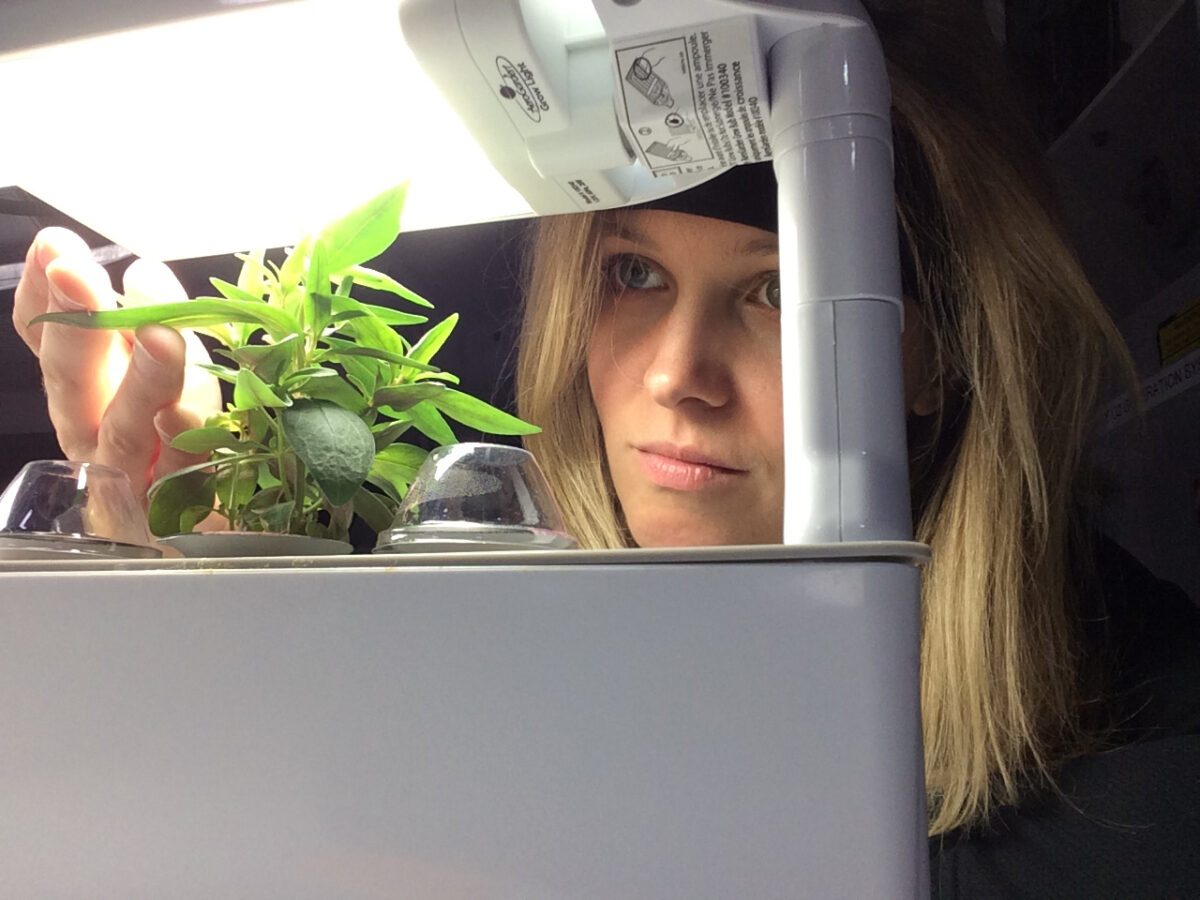
In their debrief, Peña – alongside the other three participants – learned more about NASA’s intentions. It was explained to them that the scientific challenges, such as tending to various plants onboard and measuring their leaf diameters, were all conducted to understand their teamwork rather than expecting them to complete the task.
‘Are you going to complete the task at hand and hate each other, or are you going to manage to accomplish half of it but all work together?’ she says. ‘That’s what NASA were trying to understand.’
Ultimately, the mission was a success. They managed to complete 75 per cent of the scientific tasks during the simulate asteroid surface operations, and their return to the main station came down to the wire: the simulated spacecraft docked with a tight margin of just 30 seconds of oxygen left. In doing so, Peña and her three comrades showed the breadth of human resilience and the importance of teamwork even in the most arduous of scenarios.