From ending world hunger to wiping out the debt of entire countries, $1trillion can go a long, long way
By
Earlier this week, Elon Musk became the world’s first trillionaire, a status he reached following SpaceX’s stock market debut.
It’s difficult to put into perspective just how vast $1trillion is. If one trillion US dollar bills were laid end to end, they would stretch for around 156 million kilometres (97 million miles) – the equivalent of going to the moon and back more than 200 times. If you earned one million dollars a day, it would take 2,700 years to reach the trillion-dollar mark.
Enjoying this article? Check out our related reads…
It’s a figure that also dwarfs the wealth of many countries – globally, only around 21 nations exceed a $1trillion GDP.
According to Al Jazeera, $1trillion could rebuild Gaza 14 times and provide clean water to everyone on Earth for 20 years. But what else could the world do with such a vast sum of money?
End world hunger
According to the UN, approximately $93billion per year is needed to end world hunger by 2030. In total, that figure would be around $372billion – just more than one-third of Elon Musk’s $1trillion wealth.
This figure would help fund projects, including those that improve food system resilience and disaster risk reduction; distribute food kits to those experiencing malnutrition and food insecurity; and invest in sustainable food and nutrition security.
However, it’s important to note that the costs of world hunger do not end with financial aid. Solutions to hunger must also address its root causes, such as conflict or climate change.
Solve homelessness in the UK and US
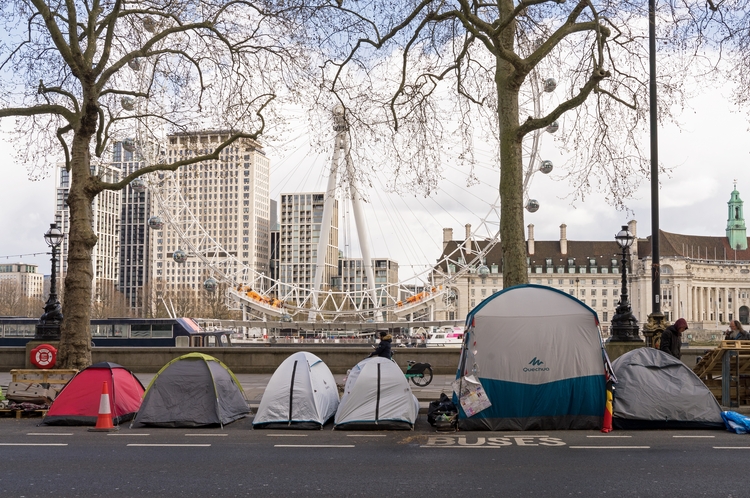
According to UK-based charity Crisis, $1.9billion would be needed to completely eradicate homelessness in the UK. This cost would include various aspects, such as support services, mental health assistance, and affordable housing.
In the US, it would cost approximately $20billion to end homelessness.
Combined, this $21.9billion represents just 2.19 per cent of $1trillion.
Educate every child in Africa for more than five years
Approximately $183billion is required annually for children’s education in African countries to meet the UN’s Sustainable Development Goals on education. $1trillion would fund children’s education in Africa for more than five years.
School enrollment and completion rates in African countries are the lowest in the world, despite African households contributing nearly six times as much as governments to education.
Paying for school has been a challenge for many African families in low– and middle-income countries, who spend a greater proportion of their household income on children’s education than families in high-income countries do.
Wipe out country-wide debt
With one trillion dollars, the debt of many countries could be entirely wiped out. For example, South Korea’s debt stands at $0.99trillion, and Singapore’s at $1trillion exactly.
However, other countries’ debt – like the US’s ($38.3trillion) or the UK’s ($4.1trillion) would be too great to pay off with $1trillion.
Halt worldwide poverty for almost six years

Approximately 839 million people – around one in ten – live in extreme poverty, surviving on less than $3 (£2.24) per day. Around 3.5 billion people (44 per cent of the global population) remain poor, surviving on $6.85 (£5.10).
Stanford economic researchers estimate that ending poverty worldwide would cost $170billion per year. With $1trillion, global poverty could be eradicated for almost six years.
Vaccinate the world’s children four times over
Around $250billion would be needed to vaccinate every child – from birth to age 19 – against 15 common and often deadly or disabling diseases.
Currently, one in five children globally lacks access to life-saving vaccines. In particular, the COVID-19 pandemic disrupted health services, leading to many children missing vital vaccines.
Each year, around four million deaths are prevented through childhood vaccination.
Protect the world’s most at-risk forests for almost eight years

At least $130billion per year is needed to protect the world’s most at-risk areas of tropical forests, according to a report by the think tank Energy Transitions Commission. With $1trillion, that would allow protection of these regions for almost eight years.
Alongside financial aid, the report calls for reductions in beef and dairy consumption and bans on deforestation to help protect tropical forests.
Currently, worldwide funding to protect tropical forests sits between $ 2 billion and $ 3 billion per year.
Financial aid to everyone on Earth
One trillion dollars, split evenly among the world’s population of 8.2 billion, would give each individual $121.80 (£92.87). If it were split between the population of the US, every man, woman and child would receive approximately $2,917.32 (£2,223.29), based on a population estimate of 342.7 million.
In the UK, that figure would rise to roughly $14,348.79 (£10,935.20) per person (about 69.6 million).