
• Skip to main content
  • Skip to secondary menu
  • Skip to primary sidebar
  • Skip to footer
Geographical

Geographical

Official magazine of the Royal Geographical Society (with IBG)

  • Home
  • Briefing
  • Science & Environment
  • Climate
    • Climatewatch
  • Wildlife
  • Culture
  • Geopolitics
    • Geopolitical hotspots
  • Study Geography
    • University directory
    • Masters courses
    • Course guides
      • Climate change
      • Environmental science
      • Human geography
      • Physical geography
    • University pages
      • Aberystwyth University
      • Brunel University
      • Cardiff University
      • University of Chester
      • Edge Hill University
      • The University of Edinburgh
      • Newcastle University
      • Nottingham Trent University
      • Oxford Brookes University
      • The University of Plymouth
      • Queen Mary University of London
    • Geography careers
      • Charity/non-profit
      • Education & research
      • Environment
      • Finance & consulting
      • Government and Local Government
    • Applications and advice
  • Quizzes
  • Magazine
    • Issue previews
    • Subscribe
    • Manage My Subscription
    • Special Editions
    • Podcasts
    • Geographical Archive
    • Book reviews
    • Crosswords
    • Advertise with us
  • Subscribe
    • Direct Debit Changes

Record year for wind and solar in Britain in 2025

7 January 2026
3 minutes

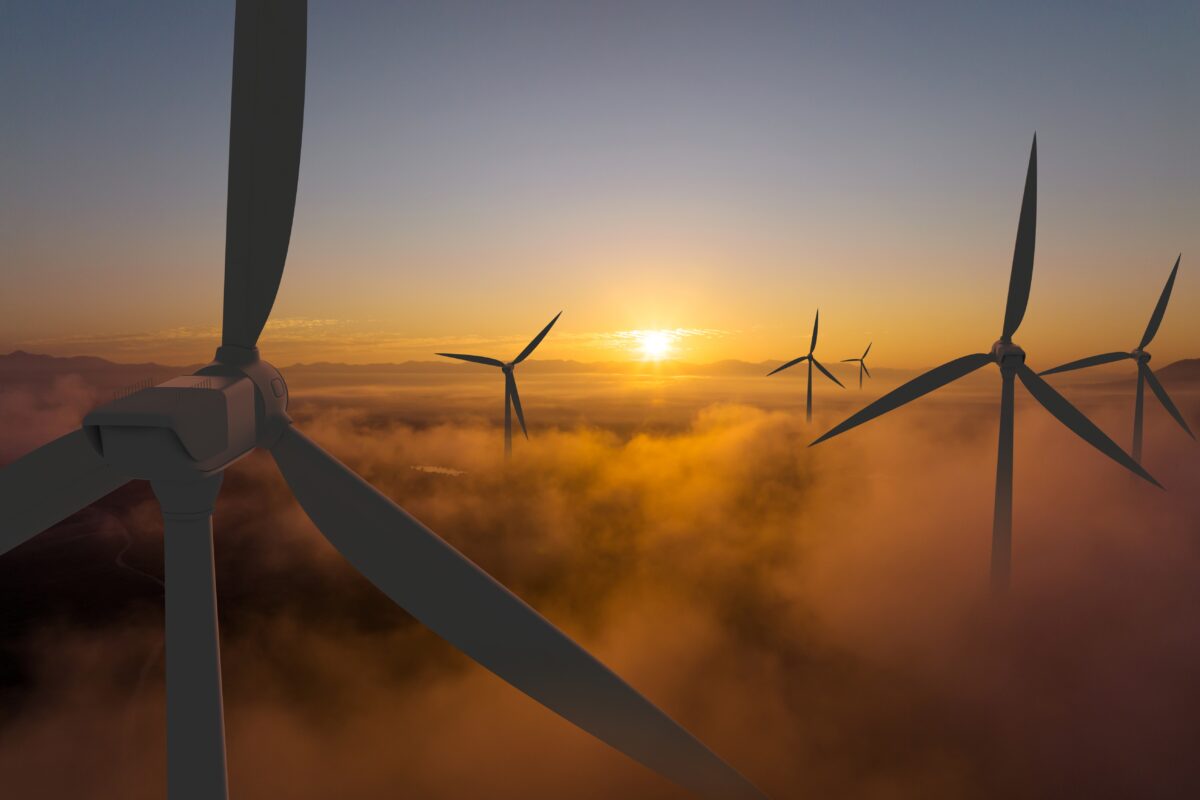
The UK has seen an uptick in wind and solar use this year. Image: Shutterstock

Renewables now make up 47 per cent of electricity supplies in the UK, with electricity generation up by 6 per cent compared to 2024


By Victoria Heath

The UK’s fleet of wind, biomass and solar power plants all set new records in 2025, according to analysis from Carbon Brief.

Electricity demand grew for the second year in a row to 322 terrawatt hours (TWh), rising by 4TWh (1 per cent). Renewables supplied more of the UK’s electricity than any other source, making up 47 per cent of the total, followed by gas (28 per cent), nuclear (11 per cent) and net imports (10 per cent).


Enjoying this article? Check out our related reads…

  • The top five countries that use the most electricity per capita
  • The switch to electricity
  • Renewable energy production surpasses coal for first time
  • How can we bring electricity to the world?
  • How well is the UK doing in reaching green energy targets?

The nation also saw new records set for electricity generation from wind (87TWh, up by five per cent), solar (19TWh, up 31 per cent), and biomass (41TWh, up two per cent). As well as this, renewable generation was up overall by six per cent.

In particular, solar benefited from the UK’s sunniest year on record, especially in spring. This contributed to a 5TWh (31 per cent) surge in electricity generation from solar power, helped by a jump of around one-fifth in installed generating capacity.

This new record for solar comes after years of stagnation, with electricity output from the technology climbing just 15 per cent in five years.

UK wind power also set a new record in 2025. Although wind conditions were broadly similar to those in 2024, the uptick in generation can be attributed to additional capacity.
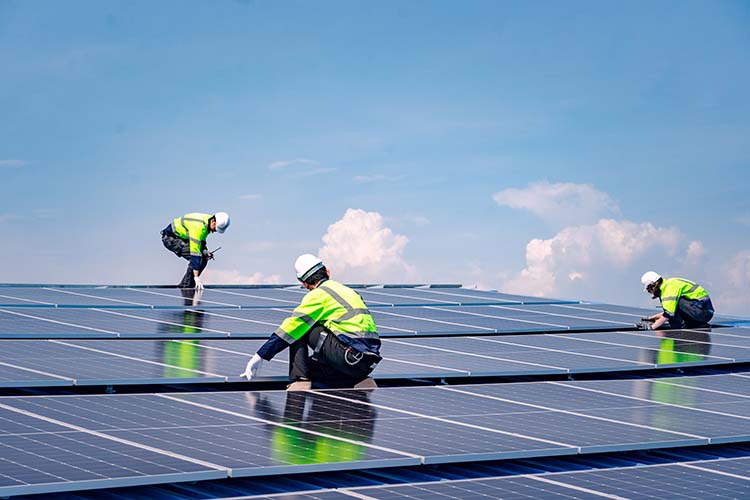
A combination of greater solar installation, combined with the UK’s sunniest year on record, have resulted in the uptick in energy produced by solar panels. Image: Shutterstock

The UK had its first full year ever without any coal power, compared to 2TWh of generation in 2024, before the last coal power plant closed in September 2024.

A small increase of gas was noted – with output from the fuel reaching 91TWh. This was an increase of 5TWh (five per cent).

Nuclear power was at its lowest level in half a century, generating just 36TWh (down by 12 per cent) as most of the remaining fleet was paused for either outages or refuelling.

Despite these promising steps to a greener future, overall, UK electricity became slightly more polluting in 2025. Each kilowatt hour was linked to 126 g of carbon dioxide, up two per cent from the record low of 124g set in 2024.

Other targets set by the UK government were inched towards in 2025, such as 95 per cent of electricity generation to come from low-carbon sources by 2030. However, much more rapid progress will be needed if these goals are to be met.

Themes Briefing Energy

Protected by Copyscape

Primary Sidebar

OUR UK DIRECT DEBITS ARE CHANGING
WINTER SALE

Geographical subscriptions

GEOGRAPHICAL WEEKLY LOGOFREE - Sign up to get global stories, told well, straight to your inbox every Friday

Popular Now

ALLENTOWN, PENNSYLVANIA - OCTOBER 29: Republican presidential nominee, former President Donald Trump speaks during a campaign rally at The PPL Center on October 29, 2024 in Allentown, Pennsylvania.

What is it that Trump wants from Greenland?

Why the US seizure of Maduro echoes a century of gunboat diplomacy

Why the US seizure of Maduro echoes a century of gunboat diplomacy

Children in Seoul, South Korea

The top five OECD countries experiencing fertility rate declines

Dandelions

Winter blooming of hundreds of plants in UK is a ‘visible sign’…

Venezuela oil

Why is Venezuela a failed petrostate?

Footer

  • Facebook
  • Instagram
  • LinkedIn
  • Reddit
  • TikTok
  • Twitter
  • YouTube

Published in the UK since 1935, Geographical is the official magazine of the Royal Geographical Society (with IBG).

Informative, authoritative and educational, this site’s content covers a wide range of subject areas, including geography, culture, wildlife and exploration, illustrated with superb photography.

Click Here for SUBSCRIPTION details

Want to access Geographical on your tablet or smartphone? Press the Apple, Android or PC/Mac image below to download the app for your device

Footer Apple Footer Android Footer Mac-PC

More from Geographical

  • Subscriptions
  • Get our Newsletter
  • About Us
  • Contact Us
  • Advertise with us
  • Privacy policy
  • Terms & Conditions

Copyright © 2026 · Site by Syon Media