
One billion plastic pellets entered the River Tyne after a boat collision last month. Experts now warn of the environmental consequences
By
One billion plastic pellets – known as nurdles – have washed up on beaches in north-east England after two vessels collided at the Port of Tyne last month, posing serious harm to marine life.
Two shipping containers were damaged in the collision, releasing vast quantities of plastic pellets that the Tyne River Trust fears could be in the River Tyne ‘for years to come’. These pellets are around the size of a lentil, and are used as a material to manufacture most everyday plastic goods.
Enjoying this article? Check out our related reads…
The Tyne River Trust said that fishermen have already discovered fish with plastic pellets inside their bodies.
‘We’re classifying it as an environmental disaster, and our concern is not just for the short-term but for the longer-term impact that it’s going to have on our native species – our salmon, our fish, our wildlife, our birds – but also the longer ecological impact as well,’ said the chief executive of Tyne Rivers Trust, Sophia Stovall.
‘The river is one of our area’s greatest assets, it drives tourism, leisure, we drink it, we risk taking it for granted and we need investment to care for it,’ said Stovall.
In addition, the RSPB notes that nurdles could cause choking or starvation as birds mistake them for food and fill their stomachs. It also said that the plastic pieces could enter the wider food chain, impacting not just birds but fish, seals, and dolphins.
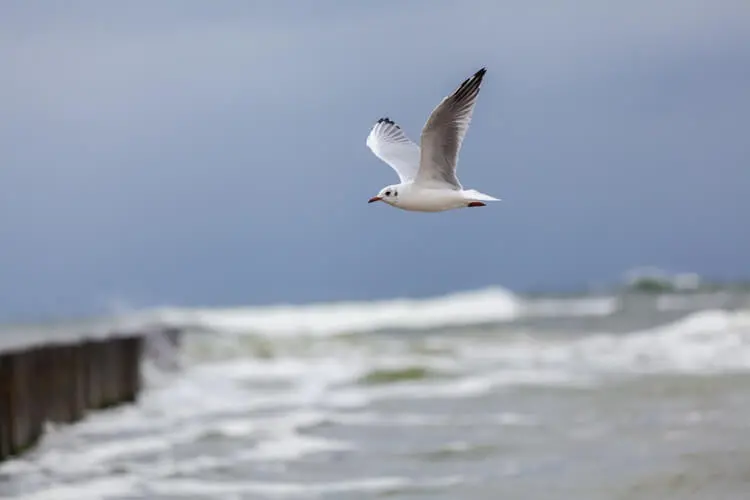
‘Plastics have been found in the stomachs of dead seabirds, and essentially, a stomach filled with plastic can’t be filled with food,’ said RSPB marine policy officer Zia Fikardos.
Birds could also end up eating prey, such as fish, that already have plastic inside them.
The RSPB has said the overall impact of the spillage will be difficult to ascertain, potentially taking years to emerge as nurdles are ‘highly persistent’ and can remain in marine environments for decades if not removed.
Critics have said that the clean-up response – involving specialist contractors helped by thousands of volunteers – has been too slow.
‘Our response plan was activated immediately we became aware of the extent of the spill. It involves a number of actions, including helping contain any further spill of pellets and also getting boats out on the river as a matter of urgency to clear pellets from the water,’ said a spokesperson for the Port of Tyne.
An investigation into the spill is currently underway by the Environment Agency.