
Warmer ocean temperatures are causing melting in Antarctica’s ice shelves, posing an overlooked threat to global coastlines
By Khadeejah Masud
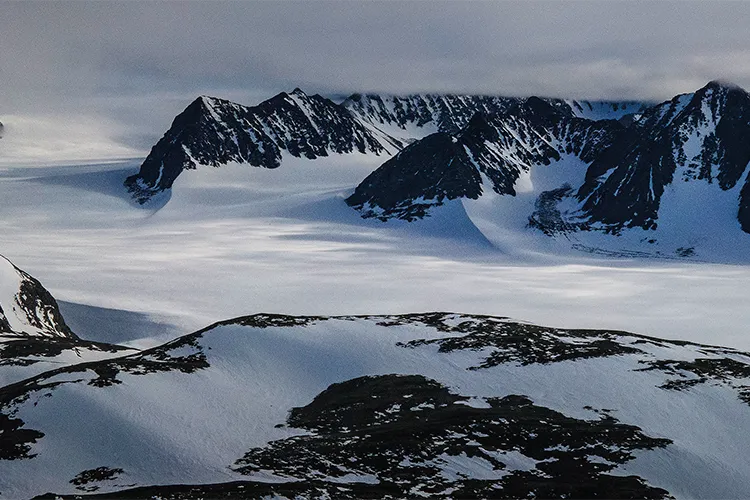
Warming oceans are melting Antarctica’s ice shelves from beneath, accelerating global sea level rise much faster than anticipated, a new study has revealed. Ice shelves are large extensions of glaciers, responsible for stabilising sea levels as they slow the flow of ice into the sea.
Researchers from the iC3 Polar Research Hub in Norway found that these thick ice shelves in East Antarctica – previously thought to be more resistant to changing ocean temperatures – are actually more sensitive to even the smallest changes.
Structural grooves have been found at the base of the Fimbulisen Ice Shelf, located in East Antarctica, creating channels that trap warmer water. This induces the melting effect and causes local sea levels to rise.
Enjoying this article? Check out our related reads…
The study conducted by co-researchers Tore Hatterman and Quin Zhou suggests that this exposes flaws in our current climate modelling systems.
‘Modest inflows of warmer deep water can have a large effect when the ice shelf base is channelled,’ Zhou said.
Currently, ‘climate models do not capture this effect’, Hatterman continued, calling for more realistic consideration of physical factors in global policy-making. Capturing small-scale features of the ice shelves like this help tackle what the The Intergovernmental Panel on Climate Change (IPCC) describes as a ‘major uncertainty’ in regards to the future of sea level rise.
At a global level, this study on melting encourages credible sea level projections, needed for coastal planning and effective mitigation. Around the world, approximately 29 per cent of the total global population (over two 2 billion people) live within 50 kilometers of a coastline according to records between 2018 and 2024. With the information from this study, policy makers can prepare for extreme scenarios such as sea level rise.
In this new study, researchers also found that the channelling effect caused uneven thinning in the deeper part of the ice shelf. By combining a map of the underside of the ice shelf with a high-resolution model of the ocean cavity beneath Fimbulisen, they found that the shelf may be unable to hold back the glaciers feeding it.
The study also drew on earlier field observations from the region, highlighting the value of adapting long-term measurements to current changes in the area.
Why is the ice shelf so important?
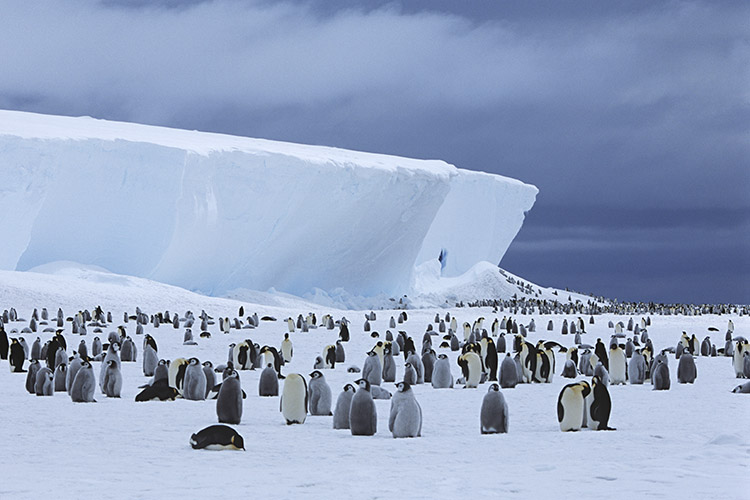
The increasing precarity of ice shelf stability is set to affect ocean circulation and marine ecosystems around Antarctica. Changes in the delivery of meltwater will inevitably impact local wildlife in the Weddell Sea, such as ice algae and bacteria that grow on the underside of the ice. Melting directly multiplies ice algae populations, which will accelerate the thinning of Antarctica’s thickest ice shelves.
Furthermore, unique species of anemone, polychaete worms and amphipods utilise ice shelves almost as their sea floors. In a similar way to glow worms hanging from dark caves, a bizarre form of anemone discovered in 2010 dubbed ‘the egg roll’ digs into the ice, unlike anemones found in less hostile waters. Clearly, the underside of Antarctic ice shelves are teeming with life. The effects of melting may have an unprecedented effect on such organisms.
Ultimately, ice shelves may be only one factor in rising sea levels, but understanding how they respond to climate change is essential for predicting future sea-level rise.