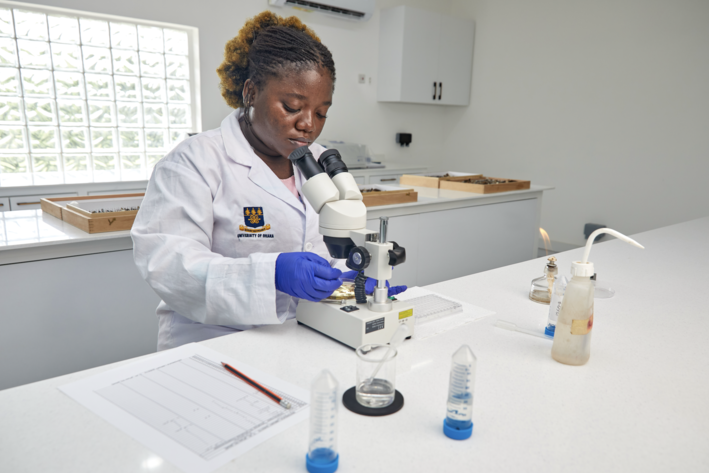
Faced with the accelerating spread of deadly diseases and the decline of crucial ecosystems, should we try to engineer our way out of a global crisis?
By
Earlier this year, Björn Hjaltason, an amateur naturalist, found three mosquitoes in his garden in Kjós, a municipality just north of Reykjavík. ‘I could tell straight away that this was something I had never seen before,’ he told Icelandic newspaper Morgunblaðið. An expert soon confirmed that these were, in fact, the very first mosquitoes discovered on Icelandic soil.
Despite an abundance of lakes and marshes – prime mosquito breeding grounds – Iceland is one of only two places in the world that, until now at least, has remained completely free of mosquitoes (the other is Antarctica).
Enjoying our article? Check out our related reads:
But Iceland is also one of the fastest- warming regions on the planet. Globally, warmer temperatures are driving the expansion of mosquito ranges, allowing species such as the Asian tiger mosquito (Aedes albopictus) – a vector for dengue fever and Chikungunya – to colonise previously unsuitable habitats in Europe and the USA.
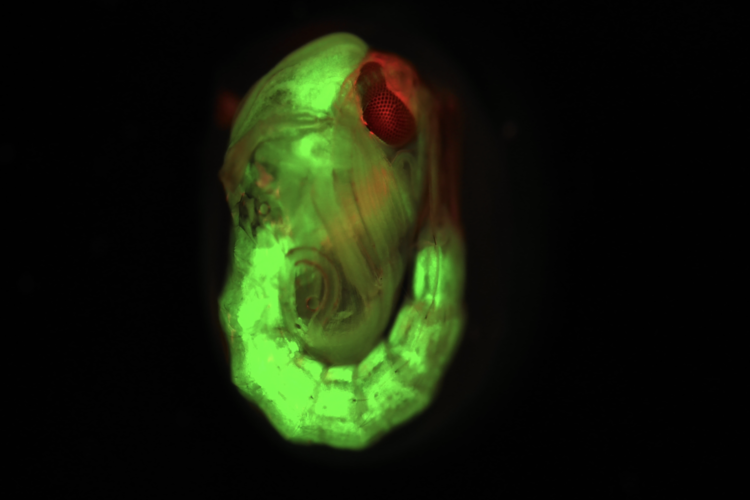
At the same time, the fight against malaria has stalled, and cases of malaria – responsible for more than half a million deaths per year – are on the rise.
An emerging strategy in malaria control, led by organisations such as Target Malaria, is the development of genetically modified mosquitoes.
These mosquitoes are designed to be sterile, to help reduce the overall wild population, or resistant to the Plasmodium parasite that causes malaria.
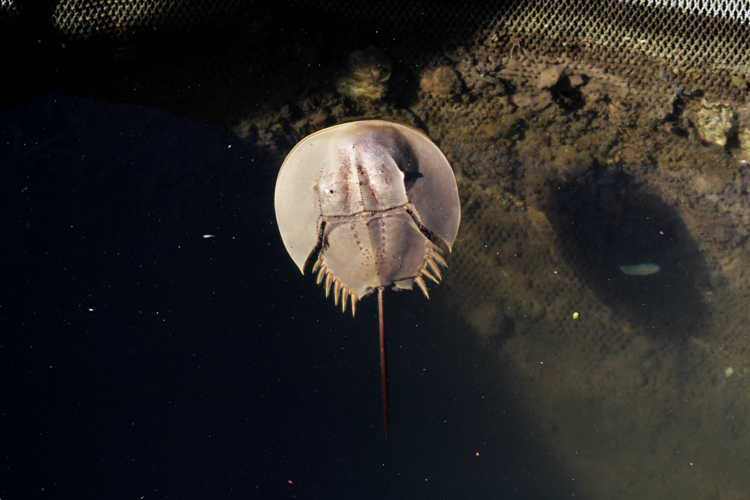
This work is a direct application of synthetic biology – a cutting-edge field that uses technologies such as gene sequencing and DNA synthesis to intentionally re-engineer an organism’s biological code. By treating DNA as a programmable language, scientists can redesign life for specific, beneficial purposes.
Advocates see synthetic biology as a powerful tool with the potential to transform major global challenges, from increasing food production and fighting disease to purifying water and capturing atmospheric carbon dioxide. While much of this potential lies in the future, synthetic biology isn’t a distant possibility – it’s already being widely and commercially used today.
Impossible Foods uses engineered yeast to create its popular plant-based burgers, and Amyris, an early pioneer in the field, is a major supplier of sustainable ingredients for the cosmetics and fragrance industry.

In June, a £1.8million research grant was awarded to scientists from the universities of Exeter, Edinburgh and Sussex to develop more productive, resilient and sustainable crops, offering crucial solutions to carbon-intensive fertilisers and pesticides. ‘Synthetic biology is not a distant possibility,’ says Susan Lieberman, vice president of international policy at the Wildlife Conservation Society. ‘It is already here.’
But synthetic biology is not without its critics. In August, Target Malaria released 16,000 genetically modified male mosquitoes in Burkina Faso. This was a key step in a project that used a ‘gene drive’ technique – a method designed to force a specific genetic modification to rapidly spread through an entire wild mosquito population over successive generations.
Gene drives are controversial because their use carries the risk of unintended, irreversible ecological consequences, as the long-term impact on complex, established ecosystems and non-target species is unpredictable.
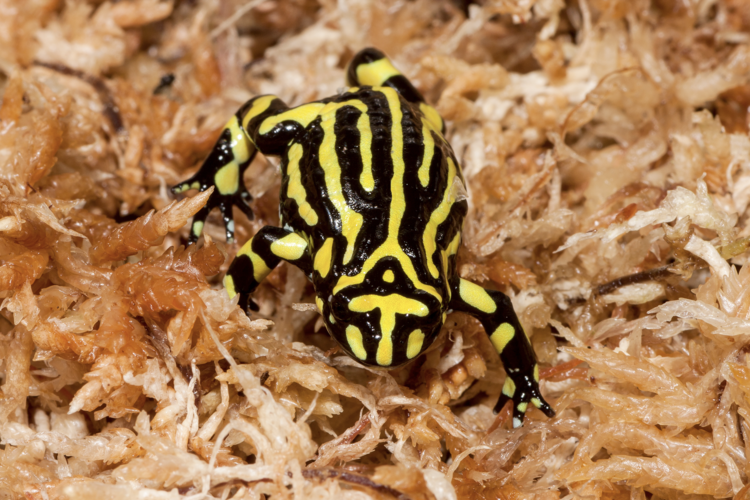
The main fear surrounding the release of engineered wild species is that a novel organism could disrupt the food web, outcompete native species, or introduce new pathogens, fundamentally altering the environment in ways that would be irreversible. Critics have argued for a moratorium on genetically engineering wild species until a deeper understanding of the outcomes can be achieved.
The debate reached a critical point in October, when the global conservation community voted on the motion at a major international forum. Lieberman warned the measure could ‘block promising tools and undermine conservation efforts at a time when we can least afford to lose ground.’
In the end, the global community made a pivotal decision, voting by a strong majority (88 per cent) to adopt Motion 87, which officially allows the continued use of synthetic biology in relation to nature conservation. However, this decision isn’t a green light for all genetic interventions.
Motion 87 represents the culmination of nearly eight years of consultation among governments, conservation organisations, scientists and Indigenous peoples. The resulting policy emphasises case-by-case evaluation guided by the best available science and strong ethical standards, setting a path for responsibly integrating emerging biotechnologies into conservation where appropriate, while avoiding undue risk.
In time, synthetic biology could lead to breakthroughs that directly address nature’s crises.
This might include developing synthetic alternatives to horseshoe crab blood for medical testing, genetically altering corals to mimic heat-tolerant species in a bid to halt the decline of, and even revive, coral reefs worldwide, creating crops that help farmers recover land from devastating diseases and, of course, pioneering emerging research that could save hundreds of thousands of lives from malaria.