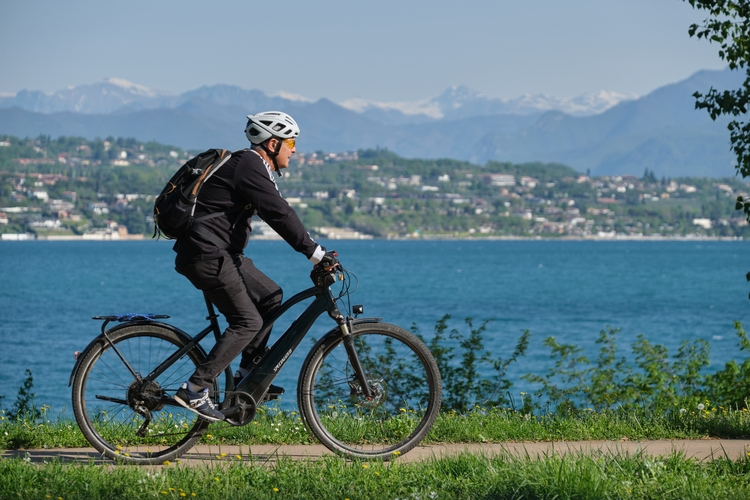
On a six-day e-bike trip, Tristan Kennedy discovers how a little extra power can deliver a whole new kind of adventure
We were hammering down the narrow goat-track trail at speed, gloved hands gripping the handlebars and fingers feathering the brakes when I heard the shout from up ahead of me – ‘Woah, woah, woah!’ – swiftly followed by the screech of mud-spattered disc brakes.
Rounding the next corner, I expected the worst: one or more of my mountain- biking buddies must have fallen over, possibly even skidded off the trail and down the steep slope to our left. But instead, I found a group of them, all standing astride their bikes, staring in awe at the herd of chamois galloping off down the mountainside.
Enjoying this article? Check out our related reads:
‘They just came off that cliff there,’ said Melanie, pointing to the rocky outcrop on the right of the path, ‘and one of them literally jumped right over my head!’
It was her I’d heard shouting – more in surprise and wonder than fear.
The herd was gone before I could get out my camera, disappearing into the forest with a clatter of hooves. But that fleeting glimpse was enough, and yet another example of the kind of up-close- and-personal experience (almost a little too up close and personal for Melanie and those immediately behind her) we would never have had were we not riding electric mountain bikes (eMTBs).
This was day three of a six-day trip following the Haute Route, the famous trekking itinerary that links Chamonix and Zermatt. The route was originally explored by members of the Alpine Club and first described by the bewhiskered Victorian mountaineer Frederick William Jacomb in the 1862 edition of the magazine Peaks, Passes and Glaciers.
The original version – ‘a high-level route’ intended to ‘link those centres of Alpine attraction – Zermatt and Chamounix [sic]’ in what he called a mountaineering itinerary requiring ropes, ice axes and crampons. But over the course of the 20th century, the lower-altitude Walker’s Haute Route became the default.

It’s now an incredibly popular trek, usually taking anything from ten days to two weeks. But we’d opted to do things a little differently – cutting the journey time in half and (I like to think) channelling some of the original pioneering spirit of Jacomb and his fellow Alpine Club members by tackling it on a new and unfamiliar form of transport.
If e-bikes have changed the way people get around towns in the past decade, eMTBs have turned the sport of mountain biking on its head.
Uphills that would previously have required long and arduous pushing on foot can now be overcome with a simple tap of the thumb to engage turbo mode. Suddenly, entire new itineraries – such as the Haute Route – have opened up to mountain bikers. Not only can you get to places you couldn’t previously reach, you can cover the ground much faster.
Our trip, organised by the Swiss eMTB specialists E-Alps, lasted a total of six days. We climbed around 2,000 vertical metres each day and covered an average of 50 kilometres – numbers that would be unthinkable for all but pro-level athletes on regular ‘acoustic’ bikes.
The Swiss-made Flyer Uproc bikes we were riding are powered by Bosch electric motors, which deliver 85 Newton metres of torque. As someone who’s been mountain biking for a decade but never tried an eMTB before, it takes a little while to get used to the amount of power I suddenly have between my legs.
I can’t help but giggle as I pedal up a ludicrously steep slope on my first day – it’s like I’ve unlocked a cheat code for the Alps. Not only that, but these machines knock years off your effective age: one of the best things about our group is that the oldest member, a genial 66-year-old Californian, can easily keep up with the youngest – a 20-year-old Whistler-based mountain- biking hotshot. At least on the uphills.
On the downs, it used to be said that eMTBs always felt heavier and clunkier because of the weight of the batteries, but huge steps have been made in e-bike technology since the earliest models hit the market a decade or so ago. Today’s eMTBs – and indeed electric commuter bikes – now handle just as well as their battery-less counterparts.
While eMTBs have made things like the Haute Route physically possible for everyone, we wouldn’t recommend heading out and trying it on your own

E-Alps provided guides, booked hotels and, perhaps most importantly, handled the complex logistical operation needed to keep both the bikes and us fully charged, so we could concentrate on having fun. A van met us at a pre- arranged spot every day, bringing spare batteries and a deluxe picnic lunch, while a second van drove our suitcases to the hotels each evening.
If you do want to have a crack at e-biking on a shorter mountain route, or even just around town, there are a few essentials – aside from the bike – that you’ll need. A helmet, first and foremost. For tours such as the Haute Route, where there’s a lot of pedalling, I tend to opt for an open-face helmet with a peak, but you might want to go for a full-face helmet if you’re heading to a mountain- bike trail centre. Gloves and knee and elbow pads are often also a good idea.
I stop short of wearing full body armour unless I’m going to a bike park, but I do wear knee pads and gloves any time I’m hitting the trails. If an eMTB falls on you, it’s heavier and will hurt more than a regular mountain bike.
A good waterproof jacket is another essential – even if it’s not raining there’s a decent chance the trails will be muddy or you’ll encounter puddles, and you don’t want to get soaked. Remember to choose one that’s highly breathable, so you don’t get soaked with sweat from the inside too. A backpack or bumbag is also a must, especially on longer days out. You’ll want somewhere to keep water, snacks, extra layers and spares.
Wonder at the power of these bikes, but mostly wonder at the landscapes and animals they let you see up close. I’d like to think that as we pedalled into Zermatt, we’d done Frederick William Jacomb proud.
The spookily quiet hum of our motors might have sent him scurrying into the nearest refuge for a shot of fortifying génépi, but he’d surely have recognised the spirit of exploration that animated our electrical odyssey.
Wishlist – three items that will make electric biking better
The Luxury – ADO Air 30 Ultra, £1,799
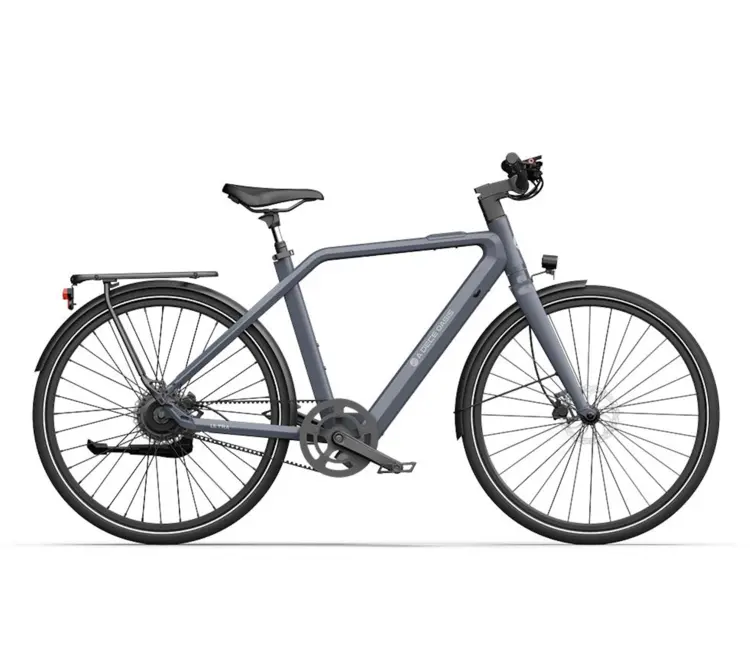
A full-fat enduro rig like the Flyer Uproc Evo:X I rode in the Alps is obviously overkill for most situations. If you want a taste of e-powered freedom in a sleeker, more manageable form that will work on a city commute as well as the occasional longer road-based tour, the ADO Air 30 Ultra is a dream machine.
Tipping the scales at just 20.5 kilograms, thanks to its carbon- belt drive and aluminium frame, it’s one of the lightest urban e-bikes around. The 250W motor provides smooth, natural- feeling pedal assist up to 25km/h, while the integrated Samsung battery gives up to 100 kilometres of range – plenty for a day exploring trails or city hills. It also features an anti-theft built-in GPS and easier navigation.
Hydraulic disc brakes, torque-sensor technology and a beautifully minimalist design make it a true luxury option for riders who value performance and polish. It’s not built for downhill abuse, but for getting around in style – and with a smile – it’s hard to beat. adoebike.co.uk
The Surprisingly Useful – Osprey Raptor 14 Backpack, £160
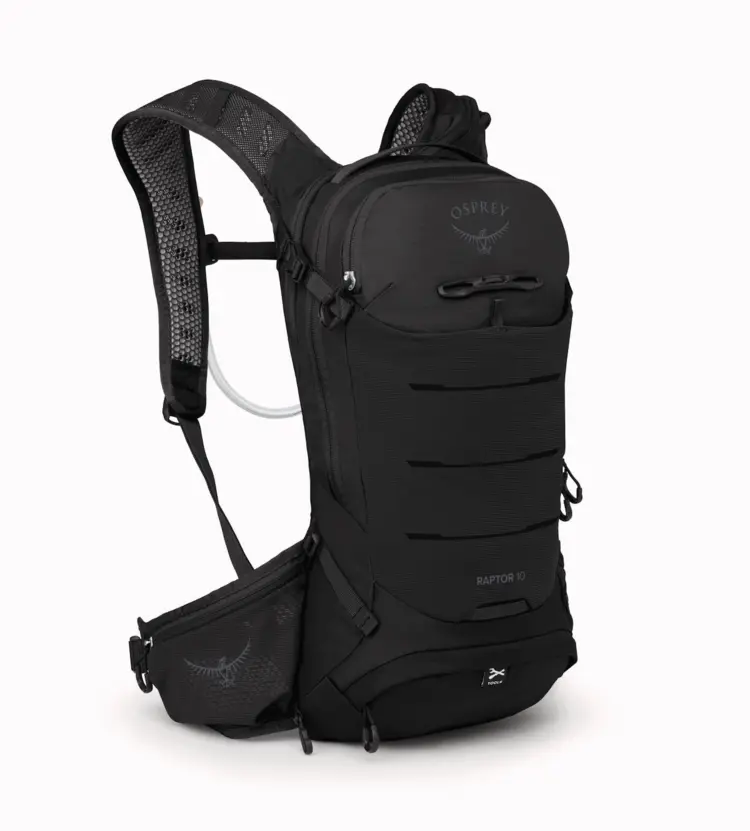
At first glance, it’s just a mid-sized riding pack. But the Osprey Raptor 14 quickly proves indispensable on long eMTB days.
The pack’s back panel hugs your body securely and the integrated 2.5-litre bladder means you can sip without stopping. Inside, there’s clever organisation for tools, snacks and spares and even a clip for your helmet when you’re off the bike. The built-in LidLock system keeps everything compact and the breathable harness stops you overheating on climbs. osprey.com
The Essential – Paramo Velez Jacket, £310
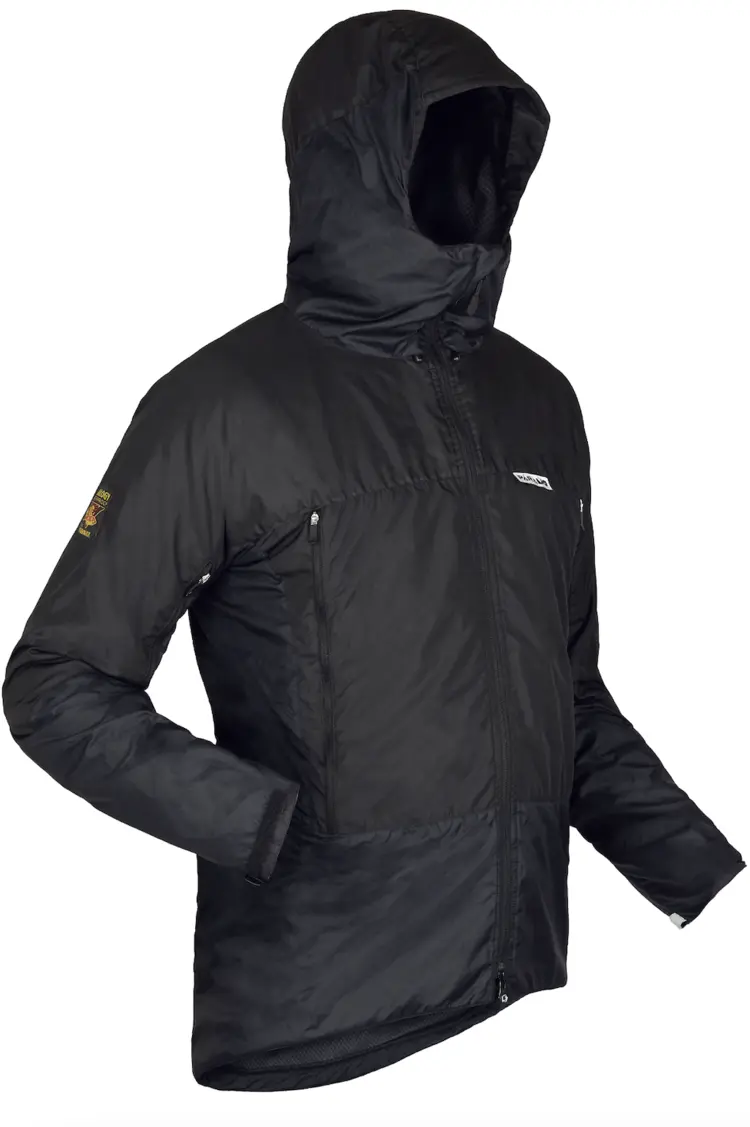
When you’re riding Alpine single track at 2,500 metres, a reliable waterproof isn’t optional – it’s survival gear. The Velez Jacket from British brand Paramo is purpose-built for stop-start, high-output activities like e-mountain biking, where breathability matters just as much as keeping
the rain out. Instead of a traditional membrane, it uses Paramo’s unique Nikwax Analogy fabric system, which actively pushes moisture away from your body while remaining soft and quiet in motion – no ‘crispy shell’ effect here. Vent zips under the arms allow for quick cooling on climbs, while the cut offers excellent freedom of movement without excess flapping.
Ethically made and PFC-free, it’s a jacket that performs as well on a windswept Alpine col as it does on your local muddy bridleway.