
• Skip to main content
  • Skip to secondary menu
  • Skip to primary sidebar
  • Skip to footer
Geographical

Geographical

Official magazine of the Royal Geographical Society (with IBG)

  • Geographical Home
  • News
  • Features
  • Opinion
    • Climatewatch
    • Front Lines
  • Podcast
  • Travel
    • Discovering Britain
    • Passport
  • Culture
    • Book reviews
  • Quizzes
    • Crosswords
  • Choose Geography
    • University directory
    • Masters courses
    • Course guides
      • Climate change
      • Environmental science
      • Human geography
      • Physical geography
    • University pages
      • Aberystwyth University
      • Brunel University
      • Cardiff University
      • University of Chester
      • Edge Hill University
      • The University of Edinburgh
      • Newcastle University
      • Nottingham Trent University
      • Oxford Brookes University
      • The University of Plymouth
      • Queen Mary University of London
    • Geography careers
      • Charity/non-profit
      • Education & research
      • Environment
      • Finance & consulting
      • Government and Local Government
    • Applications and advice
  • Magazine
    • Issue previews
    • Subscribe
    • Manage My Subscription
    • Special Editions
    • Geographical Archive
    • Advertise with us
  • Subscribe
    • Direct Debit Changes

How small changes in weather can intensify marine heatwaves

21 October 2026
3 minutes

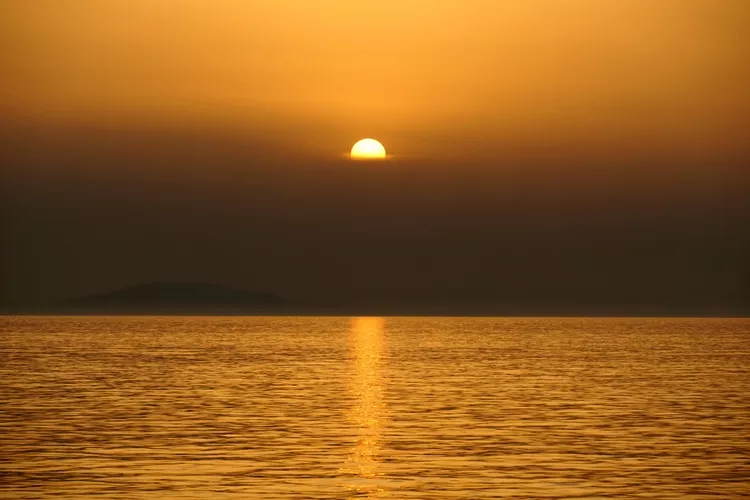
Sunset over the sea
Recent years have seen an increase in the number of marine heatwave events in UK waters. Image: Shutterstock

In the most extreme case, a marine heatwave could last as long as 579 days, with sea temperatures reaching up to 4.5°C above the long-term average


By Victoria Heath

In 2023, the northeast Atlantic experienced a record-breaking marine heatwave that impacted marine ecosystems and the economy alike over 240 days. Such heatwaves can increase mortality among animals such as fish, birds and marine mammals, trigger algal blooms and disrupt marine food supplies.

Three years on, researchers from the University of Bern investigated whether an even more extreme marine heatwave could occur under today’s climate conditions, considering that global ocean temperatures were higher in 2026 than in 2023.


Enjoying this article? Check out our related reads…

  • Geo explainer: What are marine heat waves – and are they getting worse?
  • Geo explainer: What causes heatwaves?
  • Marine heatwave developing off British coast
  • Climate change exacerbated marine heatwave
  • The longest heatwaves in history – and how they’re getting worse

They found that even slightly different weather patterns could produce much more severe, longer-lasting marine heatwaves in this region. In the most extreme case, a marine heatwave could last up to 579 days and raise sea temperatures by 4.5°C above the long-term average.

Published in Nature Communications, the research used a method known as ‘ensemble boosting’ to gather its findings. This modelling simulates different possible evolutions of an extreme weather or climate event.
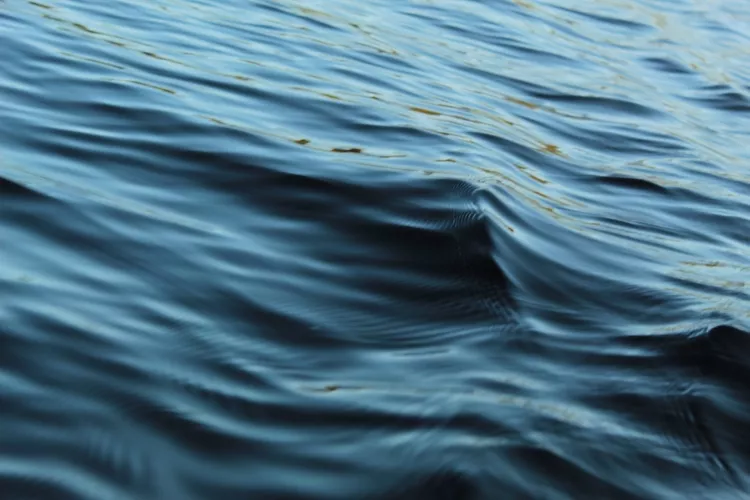
Close-up waves in the sea
 Between 2007 and 2021, researchers recorded 11 marine heatwaves near the Arctic. Image: Shutterstock

‘With this method, we can investigate which weather conditions make a marine heatwave particularly intense and long-lasting, and how extreme it could become in the worst case,’ explains lead author Catherine Gregory.

The researchers also looked at how the duration and intensity of marine heatwaves in the northeast Atlantic could change under different climate change scenarios. With global warming of less than 2°C, severe marine heatwaves like the 2023 one remain ‘relatively rare’. However, under scenarios of global warming exceeding 3°C, such events become increasingly common.

‘The 2023 marine heatwave would no longer be exceptionally intense in a world with 3°C of warming. This shows that we need to prepare for events that go beyond anything we have experienced historically,’ said climate researcher and the study’s senior author Thomas Frölicher.

What is a marine heatwave?

A marine heatwave can be declared after at least five consecutive days when sea temperatures exceed the threshold for unusually warm conditions at that specific location and time of year, based on observations made historically. As such, marine heatwaves are relative – what may be considered very warm in the North Atlantic could be entirely normal in the Mediterranean.

Marine heatwaves can occur for several reasons, such as changes in ocean currents or persistent high pressure that brings sun and lighter winds to the area.

In the summer of 2026, Europe experienced marine heatwaves. Some regions saw sea temperatures rise as much as 6°C above normal. Marine heatwaves are also on the rise, with the number of events doubling since 1982.
Themes News Oceans

Protected by Copyscape

Primary Sidebar

SUBSCRIBE

GEOGRAPHICAL WEEKLY LOGO FREE - Sign up to get context, clarity and perspective in a noisy world, every Friday

Popular Now

QUIZ: Flags of the World – Northern Europe

QUIZ: Flags of the World – Northern Europe

November Geographical covers

Out now: November 2026’s Geographical Magazine

Black sea on map

Drones attack at least seven cargo vessels in Black Sea

QUIZ: Physical Geography Trivia

QUIZ: Physical Geography Trivia

Egypt Saudi Arabia flags

Egypt shows support for Saudi Arabia against Houthi attacks

Footer

  • Facebook
  • Instagram
  • LinkedIn
  • Reddit
  • TikTok
  • Twitter
  • YouTube

Geographical print magazine cover

Published in the UK since 1935, Geographical is the official magazine of the Royal Geographical Society (with IBG).

Informative, authoritative and educational, this site’s content covers a wide range of subject areas, including geography, culture, wildlife and exploration, illustrated with superb photography.

Click Here for SUBSCRIPTION details

Want to access Geographical on your tablet or smartphone? Press the Apple, Android or PC/Mac image below to download the app for your device

Footer Apple Footer Android Footer Mac-PC

More from Geographical

  • Subscriptions
  • Get our Newsletter
  • About Us
  • Contact Us
  • Advertise with us
  • Privacy policy
  • Terms & Conditions

Copyright © 2026 · Site by Syon Media