
As cities grow and grow, modern life is pushing sleep into strange and new directions
By
When night falls, sleep comes. It’s something we all do – in fact, every person will spend around 26 years of their life in slumber, dozing on average for between seven and nine hours per night.
But urbanisation is rapidly changing how we rest. In just a century and a half, we have changed how nights typically operate thanks to the widespread use of electric light.
In major global cities, nightlife, work schedules and around-the-clock services are available throughout typical sleeping times. Artificial light and the inability to disconnect from the internet can propel people into staying awake longer than ever before.
Enjoying this article? Check out our related reads…
Satellite data shows that global nighttime light has increased by more than 50 per cent since the 1990s, making the planet brighter in the evening. Artificial light is considered to be a form of pollution, and with it comes a plethora of health problems, such as an increased likelihood of mental health disorders, as well as some types of cancer and cardiovascular disease.
Studies also show that in adults and elderly individuals, the higher the level of artificial light during the night, the less they sleep. Artificial light at night – both inside and outside homes – can increase sleep problems by 22 per cent. Such light wreaks havoc on sleep because it confuses our internal clocks, telling us that it’s daytime when it is, in fact, nightfall.
But urbanisation has also caused another problem for sleep: noise pollution. According to the European Environment Agency, prolonged exposure to background noise contributes to 48,000 new cases of heart disease and 12,000 premature deaths every year in Europe. As well as this, every year one million years of healthy life are lost due to noise.
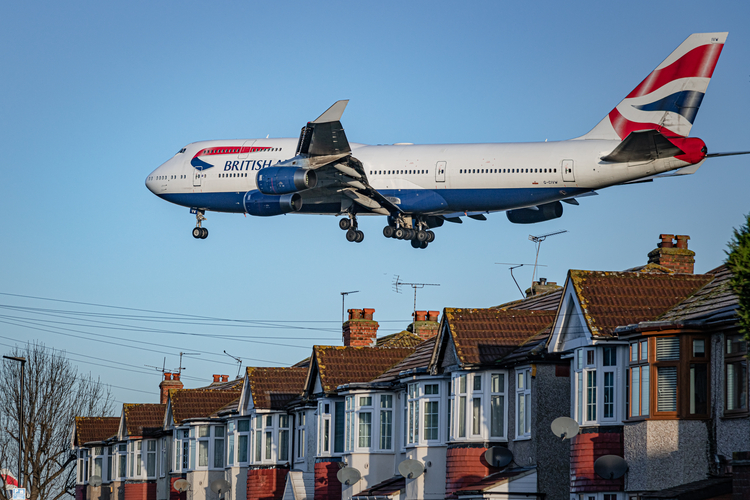
You might think that noise comes mainly from vehicular traffic, but there is another source that can be equally detrimental: nightlife. Such noise has also been worsened by an increase in outdoor terrace settings in bars, as a result of the pandemic. For example, the number of outdoor tables in Barcelona has increased by 62 per cent since 2019, and 5,700 new tables have popped up in Madrid alone. Street cleaning can also produce noise that disrupts our natural sleep rhythms.
Some experts have ideas on how to tackle the implications that urbanisation has on sleep. They include substituting noisy public transport vehicles for electric models, and ensuring private vehicles also comply with regulations; reducing the timetables and number of tables at bars, cafés and restaurants in residential areas; reducing permitted volumes in noisy premises and reviewing the placement of streetlights and other sources of light to reduce overall light pollution.
Countries have begun to implement some of these measures in their policies. For example, in France, shops, offices and public buildings must turn off lights overnight (typically between 1am and 6am), while illuminated billboards are restricted with rules in place, particularly in smaller towns and rural areas. In Japan, particularly in Tokyo, restrictions on noise pollution are also in place to protect residents, with the inadvertent impact of helping individuals get to sleep.
But perhaps the most important solution comes from garnering shared support – on an institutional and individual level – for the importance of sleep for a healthy society.



