New study has found the Yangtze River is experiencing a doubling in fish biomass and beginning a ‘cautious ecological comeback’
By
China’s Yangtze River – the largest and longest in the country – has been in ecological decline for the last seventy years. Thanks to years of overfishing and habitat degradation, the site has seen a drop in its biodiversity, even despite massive investments into conservation and improved water quality.
However, now, the river is seeing early signs of recovery following the introduction of a sweeping ten-year commercial fishing ban – a finding reported in a recent peer-reviewed publication in the American Association for the Advancement of Science. Chinese scientists had long called for a such a ban, as habitats began to worsen and fish stocks plummeted by 85 per cent – including the entire extinction of the baiji dolphin species through pollution, overfishing and traffic among other pressures. Finally, the Chinese government agreed to a fishing ban in 2021.
Enjoying this article? Check out our related reads…
Using data from 2018 to 2023 to compare fish biomass, body condition, species diversity and the presence of threatened species, the findings show that fish biomass has more than doubled in the river, with species richness modestly increasing.
The recovery has been particularly pronounced among larger-bodied and higher-trophic level species, which are more abundant and healthier than before. In addition, several endangered and migratory species – as well as the critically endangered Yangtze finless porpoise – also show population rebounds, increasing from 400 to 600 between 2019 and 2023.
‘The results reported in this study … provide hope that in an era of global biodiversity decline, ambitious political decisions that support large-scale restoration efforts can help reverse the ecosystem damages of the past and lead to a brighter future,’ said leader of the study Fangyuan Xiong of the Chinese Academy of Sciences.
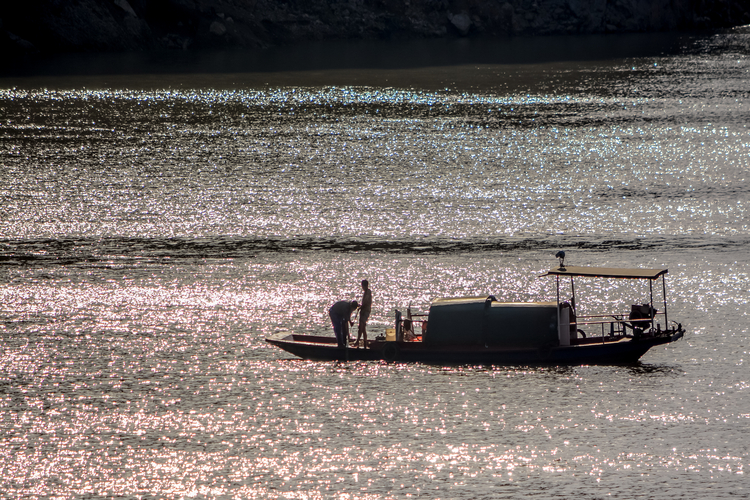
While the fishing ban emerged as the single most important driver of improvement, complementary measures, such as water quality enhancement, hydrological regulation, and land-use management, also played critical roles. As well as this, around 200,0000 fishers were given help in finding alternative employment, scrapping many of the 100,000 boats involved.
Together, the findings suggest that large-scale fishing bans can catalyse rapid ecological improvement, but lasting biodiversity recovery will depend on sustained, integrated watershed management that addresses the full suite of human pressures on river systems.
Scientists warn that the Yangtze and its wildlife remain highly vulnerable to human pressures, meaning authorities must continue to strengthen conservation and protection measures. In particular, illegal fishing – particularly in the Gan tributary of the Yangtze – remains a constant threat and requires heightened policing by local authorities.
A pocketbook guide to The Yangtze River
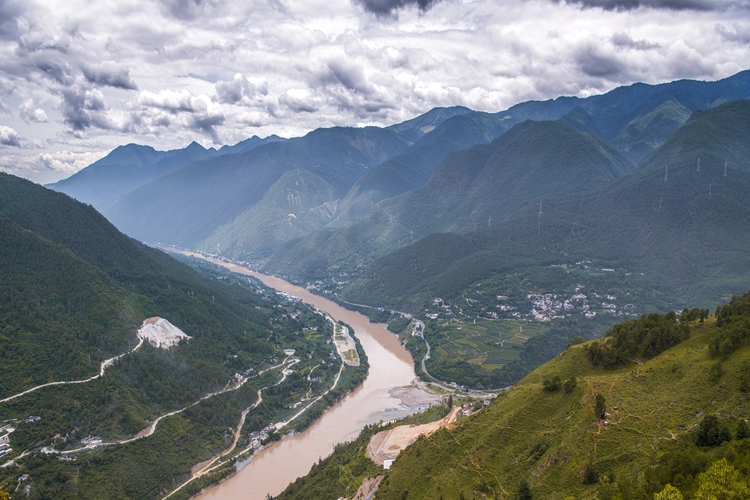
So vast is that Yangtze river third of all inhabitants in China (more than 400 million people) live in the area covered by the its river basin. It stretches from the mountains of the Qinghai province in China tot he East China Sea at Shanghai.
The river is the largest in Asia and third-longest in the world, flowing for 6,300 kilometres. Its river basin is around 1.8 million square kilometres – almost one-fifth of China’s total land area.
As China’s economy has developed, so has the pollution levels in the Yangtze and its lakes. Dams are also causing havoc in the region, too – since 1950, more than 50,000 dams have been constructed in the river’s basin with wide-reaching effects to both wildlife and people.
During construction of the Three Gorges dam, the world’s biggest hydropower station, 13 cities, 140 towns and 326 villages were fully or partly submerged, and more than one million people had to move.