
• Skip to main content
  • Skip to secondary menu
  • Skip to primary sidebar
  • Skip to footer
Geographical

Geographical

Official magazine of the Royal Geographical Society (with IBG)

  • Home
  • Briefing
  • Science & Environment
  • Climate
    • Climatewatch
  • Wildlife
  • Culture
  • Geopolitics
    • Geopolitical hotspots
  • Study Geography
    • University directory
    • Masters courses
    • Course guides
      • Climate change
      • Environmental science
      • Human geography
      • Physical geography
    • University pages
      • Aberystwyth University
      • Brunel University
      • Cardiff University
      • University of Chester
      • Edge Hill University
      • The University of Edinburgh
      • Newcastle University
      • Nottingham Trent University
      • Oxford Brookes University
      • The University of Plymouth
      • Queen Mary University of London
    • Geography careers
      • Charity/non-profit
      • Education & research
      • Environment
      • Finance & consulting
      • Government and Local Government
    • Applications and advice
  • Quizzes
  • Magazine
    • Issue previews
    • Subscribe
    • Manage My Subscription
    • Special Editions
    • Podcasts
    • Geographical Archive
    • Book reviews
    • Crosswords
    • Advertise with us
  • Subscribe
    • Direct Debit Changes

Review: My Fourth Time, We Drowned by Sally Hayden

9 September 2022
2 minutes

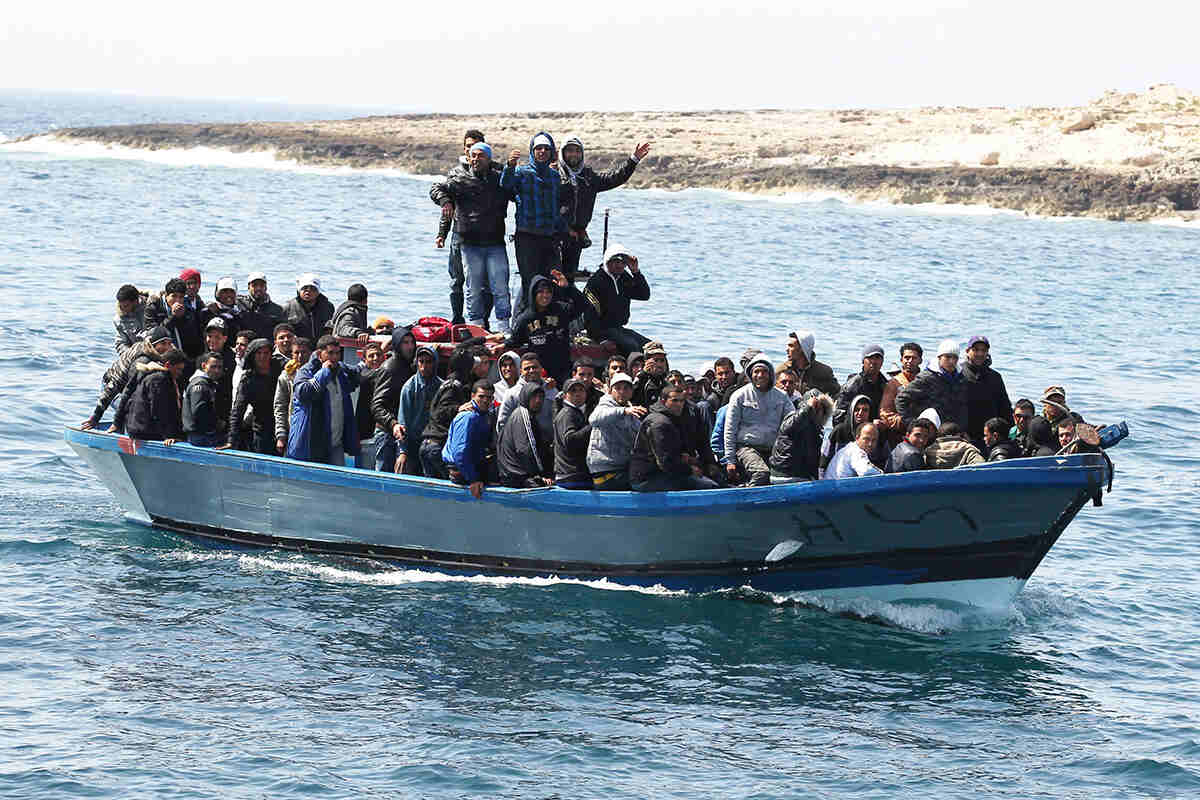
A group of migrants in a boat on water
A clandestine migrant boat at Lampedusa harbor, Italy

Journalist Sally Hayden documents the poignant stories of migrants crossing the Central Mediterranean Route, the most dangerous migrant crossing in the world


Review by Bryony Cottam

One Sunday in the summer of 2018, journalist Sally Hayden received a Facebook message: ‘Hi sister Sally, we need your help.’ It was the first of thousands of messages that would be sent to her by refugees seeking sanctuary on the world’s deadliest migration route. 

The Central Mediterranean Route, the stretch of sea between North Africa and Italy, is the path most used by refugees and other migrants trying to reach Europe. In 2021 alone, the EU border and coastguard agency Frontex reported more than 65,000 border crossings on this route, an 89 per cent increase from 2020. That year, more than 1,500 people lost their lives attempting the crossing. Between 2014 and 2019, more than 16,000 drowned. As the number of crossings grows, so do interceptions by the Libyan coastguard, which forces migrants into detention centres, where they’re subjected to violence, slavery and extortion. In My Fourth Time, We Drowned, Hayden documents the stories of these people, many of whom are being held indefinitely in the camps. 

That first Facebook message leads Hayden across three continents as she investigates a humanitarian crisis of staggering proportions. She meets with refugees, attends the trial of people traffickers in Addis Ababa and reports from the Alan Kurdi rescue ship as it patrols the waters off the Libyan coast. Her extensive research reveals the inefficiency of several aid organisations and, most shockingly, the culpability of the EU.

Interspersed throughout are the unfiltered words of the refugees. She highlights the influence of technology, both as a lifeline – the SIM card shared among hundreds in a camp – and a way for smugglers to extract more money from migrants’ families, who crowdfund their ransom on Facebook, WhatsApp or Twitter. These details will be unfamiliar to many of us, but they aren’t hidden from sight. ‘Citizens in the West can look away, despite windows everywhere,’ Hayden writes.

My Fourth Time, We Drowned casts light on a dark world that would be only too visible if we cared to look. These are stories that should be heard by everyone.

Themes Book Reviews Migration September 22

Protected by Copyscape

Primary Sidebar

OUR UK DIRECT DEBITS ARE CHANGING
THE PRESENT THAT LASTS ALL YEAR

Geographical subscriptions

GEOGRAPHICAL WEEKLY LOGOFREE - Sign up to get global stories, told well, straight to your inbox every Friday

Popular Now

Whale tail

First evidence of potentially deadly virus in Arctic found in whale breath…

A globster

Globsters: the strange ‘beasts’ found on beaches

Kyiv at Christmas

The forgotten Christmases: communities in conflict during the festive season

NCAR outside

Trump set to dismantle major US climate research climate centre

Netflix on mobile phone

The best nature documentaries to watch this Christmas

Footer

  • Facebook
  • Instagram
  • LinkedIn
  • Reddit
  • TikTok
  • Twitter
  • YouTube

Published in the UK since 1935, Geographical is the official magazine of the Royal Geographical Society (with IBG).

Informative, authoritative and educational, this site’s content covers a wide range of subject areas, including geography, culture, wildlife and exploration, illustrated with superb photography.

Click Here for SUBSCRIPTION details

Want to access Geographical on your tablet or smartphone? Press the Apple, Android or PC/Mac image below to download the app for your device

Footer Apple Footer Android Footer Mac-PC

More from Geographical

  • Subscriptions
  • Get our Newsletter
  • About Us
  • Contact Us
  • Advertise with us
  • Privacy policy
  • Terms & Conditions

Copyright © 2025 · Site by Syon Media