
• Skip to main content
  • Skip to secondary menu
  • Skip to primary sidebar
  • Skip to footer
Geographical

Geographical

Official magazine of the Royal Geographical Society (with IBG)

  • Home
  • Briefing
  • Science & Environment
  • Climate
    • Climatewatch
  • Wildlife
  • Culture
  • Geopolitics
    • Geopolitical hotspots
  • Study Geography
    • University directory
    • Masters courses
    • Course guides
      • Climate change
      • Environmental science
      • Human geography
      • Physical geography
    • University pages
      • Aberystwyth University
      • Brunel University
      • Cardiff University
      • University of Chester
      • Edge Hill University
      • The University of Edinburgh
      • Newcastle University
      • Nottingham Trent University
      • Oxford Brookes University
      • The University of Plymouth
      • Queen Mary University of London
    • Geography careers
      • Charity/non-profit
      • Education & research
      • Environment
      • Finance & consulting
      • Government and Local Government
    • Applications and advice
  • Quizzes
  • Magazine
    • Issue previews
    • Subscribe
    • Manage My Subscription
    • Special Editions
    • Podcasts
    • Geographical Archive
    • Book reviews
    • Crosswords
    • Advertise with us
  • Subscribe
    • Direct Debit Changes

Top tips for reducing your food waste

7 January 2026
3 minutes

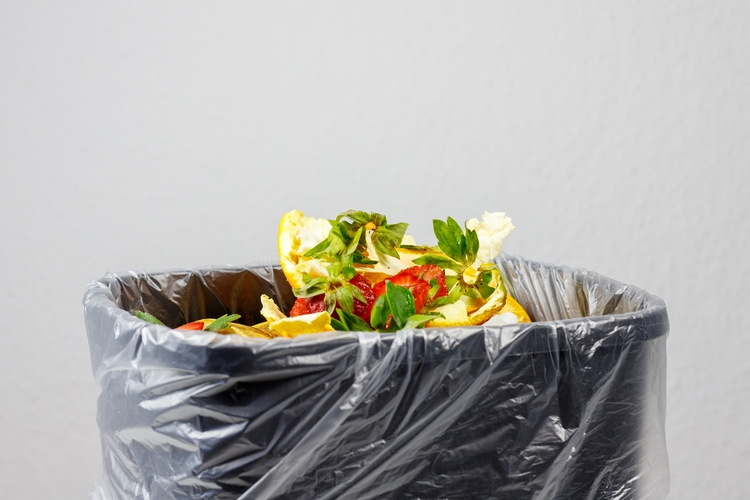
Food going to waste

From using Too Good To Go to picking ‘ugly’ produce, learn how to reduce your food waste and protect the planet


By Victoria Heath

Around the world, approximately one-third of all food produced is never eaten. Food waste remains a huge issue, particularly in developed countries.

A recent study found that the level of food wasted globally is expected to rise by another third by 2030, as the world population increases. This could potentially result in 44 per cent of all food produced being wasted.

So, what can be done to curb such staggering levels of food waste? If you want to make a difference, read on to find five top tips to ensure the food you buy is eaten.

1) Place value on ‘ugly’ produce
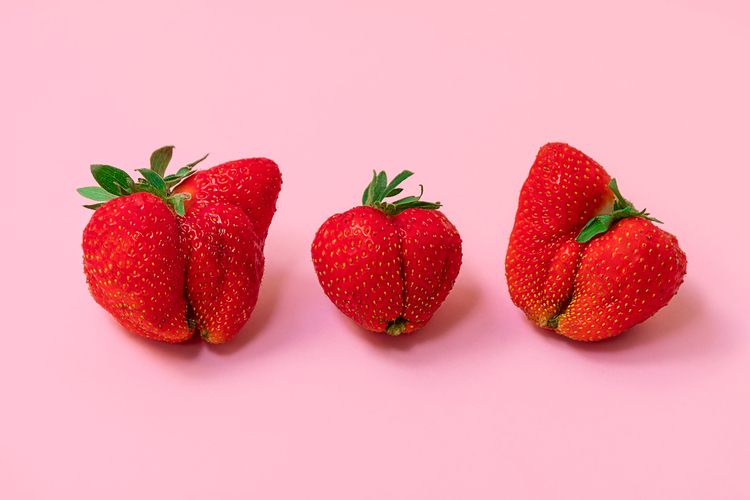
Wonky strawberries
Although imperfect fruit and vegetables may look aesthetically different, they still taste the same. Image: Shutterstock

Large quantities of fruit and vegetables often don’t make it to our shelves, as they are deemed too ‘ugly’ for consumers. Some supermarkets are beginning to roll out less aesthetic versions of popular produce, for example Aldi’s ‘wonky’ range.


Enjoying this article? Check out our related reads…

  • How do we tackle the toll of private jet emissions?
  • UN report reveals colossal levels of food waste
  • International Day of Zero Waste
  • What do we actually waste?
  • Food, fat and famine

Buying these imperfect fruit and vegetables is a sure-fire way of preventing mass quantities of produce from being destined for waste.

2) Consider bulk promotions carefully

The phrase ‘buy two, get one free’ or similar iterations of supermarket deals can feel tempting to act upon when you’re grabbing your weekly shop. However, in reality, these promotions encourage overbuying – and overspending – rather than mindful shopping habits.

The next time you see deals on your favourite food items, consider whether you’ll actually use the products before they reach their expiry dates.

3) Use ‘Too Good To Go’

Learn more about Too Good To Go, and how you can save surplus food from going to waste. Video: Too Good To Go

Want to protect the planet and save your pennies at the same time? The app ‘Too Good To Go’ might be the answer.

It connects local food businesses selling surplus, unsold food – at heavily discounted prices – with customers, helping to avoid hefty food waste.

While you don’t know what’s in your ‘Surprise Bag’ of food until you receive it, you are given a brief description of what sort of goods you can expect: for example, pastries or sandwiches, or hot or cold food from cafés and restaurants.

Many restaurants and eateries use Too Good To Go, particularly in large cities – so be sure to give it a go to prevent food from going unnecessarily to waste.

4) ‘Best before’ versus ‘use-by’

The difference between best before and use by is significant, and can prevent food from going to waste.

Use-by dates relate to food safety – if a food has passed the date on the packaging (and you haven’t cooked or froze it), it’s no longer safe to eat. Conversely, best before dates relate to food quality. If these foods have passed their date, don’t throw them out. They’re still safe to eat, although they might not be at their best. Foods which have best before dates include frozen, dried and tinned food, as well as cheese.

5) Batch cook and meal plan

Meal prep
Preparing meals with similar ingredients can also help to reduce food waste. Image: Shutterstock

Combining batch cooking with meal planning is an easy way to prevent food waste. Rather than heading to the supermarket in a hunger-fuelled daze, take the time to write down exactly what ingredients you need to cook meals for the entire week. Look up recipes online – you can even try to find ones that use overlapping ingredients to minimise waste even more.

Once you have all your shopping, batch cooking can help you to use up all your ingredients. You can then freeze some of these meals to use later on, rather than letting loose bits of produce turn bad in the fridge.
Themes Briefing Green Action

Protected by Copyscape

Primary Sidebar

OUR UK DIRECT DEBITS ARE CHANGING
SPRING SALE

Geographical subscriptions

GEOGRAPHICAL WEEKLY LOGOFREE - Sign up to get global stories, told well, straight to your inbox every Friday

Popular Now

QUIZ: True or False – Physical Geography

QUIZ: True or False – Physical Geography

A Playground in Yishun HDB Estate, Singapore

How the world is dealing with falling birth rates – five different…

Space

Time marches on: days are getting longer due to climate change

Trump on Truth Social

How digital platforms are influencing where and how oil is extracted

QUIZ: Geography Trivia

QUIZ: Geography Trivia

Footer

  • Facebook
  • Instagram
  • LinkedIn
  • Reddit
  • TikTok
  • Twitter
  • YouTube

Geographical print magazine cover

Published in the UK since 1935, Geographical is the official magazine of the Royal Geographical Society (with IBG).

Informative, authoritative and educational, this site’s content covers a wide range of subject areas, including geography, culture, wildlife and exploration, illustrated with superb photography.

Click Here for SUBSCRIPTION details

Want to access Geographical on your tablet or smartphone? Press the Apple, Android or PC/Mac image below to download the app for your device

Footer Apple Footer Android Footer Mac-PC

More from Geographical

  • Subscriptions
  • Get our Newsletter
  • About Us
  • Contact Us
  • Advertise with us
  • Privacy policy
  • Terms & Conditions

Copyright © 2026 · Site by Syon Media