
• Skip to main content
  • Skip to secondary menu
  • Skip to primary sidebar
  • Skip to footer
Geographical

Geographical

Official magazine of the Royal Geographical Society (with IBG)

  • Home
  • Briefing
  • Science & Environment
  • Climate
    • Climatewatch
  • Wildlife
  • Culture
  • Geopolitics
    • Geopolitical hotspots
  • Study Geography
    • University directory
    • Masters courses
    • Course guides
      • Climate change
      • Environmental science
      • Human geography
      • Physical geography
    • University pages
      • Aberystwyth University
      • Brunel University
      • Cardiff University
      • University of Chester
      • Edge Hill University
      • The University of Edinburgh
      • Newcastle University
      • Nottingham Trent University
      • Oxford Brookes University
      • The University of Plymouth
      • Queen Mary University of London
    • Geography careers
      • Charity/non-profit
      • Education & research
      • Environment
      • Finance & consulting
      • Government and Local Government
    • Applications and advice
  • Quizzes
  • Magazine
    • Issue previews
    • Subscribe
    • Manage My Subscription
    • Special Editions
    • Podcasts
    • Geographical Archive
    • Book reviews
    • Crosswords
    • Advertise with us
  • Subscribe
    • Direct Debit Changes

Which e-shops power the world’s spending?

31 October 2025
4 minutes

Shopping cart trolley with laptop in background, e-commerce
Around the world, there are 2.14 billion e-commerce shoppers. Image: Shutterstock

The top five platforms account for nearly 60 per cent of total e-commerce traffic across the globe. Find out what they are…


By Victoria Heath

Across the world, around $17.6billion is spent on e-commerce each day –  $6.42 trillion in a single year. From buying the latest trending clothing item to ordering a spare part for your washing machine, millions of products are shipped out every day.

But where exactly are consumers turning to for their needs? Here we reveal the five major e-commerce websites that power the world’s shopping…

5) Ozon

Ozon logo
Ozon is one of Russia’s major online marketplaces. Image: Shutterstock

A major Russian online marketplace, Ozon is often coined as the ‘Amazon of Russia‘. It is used by around 2.5 million customers per year, offering more than four million items across categories including electronics and food.


Enjoying this article? Check out out related reads…

  • Surf’s up: discovering the secrets of Widemouth Bay
  • China proposes stricter national screen time limits on under 18s
  • Geo explainer: Exploring Africa’s economy and GDP
  • New online tool can identify climate misinformation
  • Superhighways to protect migrating whales

4) eBay

ebay on Phone
eBay is popular for a range of products from homeware to electronics. Image: Shutterstock

eBay, the global online auctions company, began back in 1995. It was one of the first companies to create and market a website matching buyers and sellers of goods and services.

Despite being known for its auctions, eBay also has a significant number of transactions that are fixed-price sales.

The best-selling items on eBay include electronics – such as smartphone accessories or refurbished gadgets – as well as lifestyle products such as fashion, health and beauty items and home decor.

3) AliExpress

AliExpress app on phone
AliExpress has gained popularity in recent years but its environmental footprint remains controversial. Image: Shutterstock

Launched in 2010, AliExpress functions by connecting primarily Chinese sellers with international buyers, rather than holding any inventory itself. Its reach is worldwide, serving buyers in more than 200 countries and territories.

One major selling point for AliExpress – and a significant factor in its popularity – is the plethora of items available at low price points (under $15). AliExpress also offer products with novel or viral appeal, making them a popular choice for consumers wishing to keep up with trends.

However, their business model has long been critique for its environmental footprint. Many items purchased through the website are individually packaged, often with materials that aren’t recyclable. As well as this, the numerous low-cost products are often quickly turned over, encouraging the consumption of goods with short lifespans. As such, this generates large volumes of waste.

2) TEMU
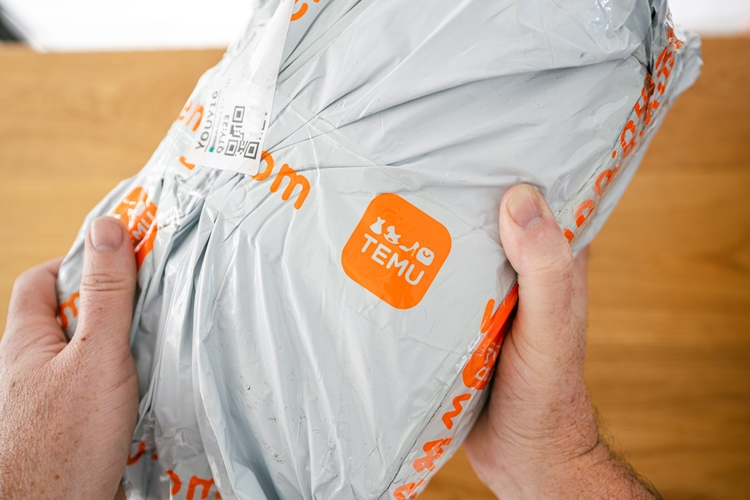
TEMU parcel
TEMU has come under fire by organisations, including Greenpeace, for remaining opaque about its climate footprint. Image: Shutterstock

Despite launching just three years ago, TEMU has rocketed to become one of the most-used e-commerce platforms in the world. Similar to AliExpress, it connects third-party suppliers (many based in China) directly with consumers.

The site boasts more than 400 million users each month, and operates in more than 70 countries and markets across the Americas, Europe and Asia.

Its product range is broad, ranging from electronics and home goods to fashion, beauty and novelty items, and is priced ultra-low, with heavy promotions and incentives to purchase a common occurrence.

Similar to AliExpress, TEMU has come under fire for its environmental impact. As a cross-border e-commerce platform, it faces many issues, such as the impact of long-distance logistics and high shipping emissions. Packaging waste, combined with returns and the huge volume of individual shipments, contributes to waste.

Organisations like Greenpeace have encouraged TEMU to disclose climate-impact data, noting that the company is ‘silent’ on its footprint.

1) Amazon

Amazon warehouse
Amazon is the largest online retailer in the world. Image: Shutterstock

At number one is Amazon, which is estimated to have more than 310 million active users globally as of 2025. Worldwide, around 9.7 million sellers form Amazon’s marketplace.

Each day, the company ships around 1.6 million packages – around 66,000 per hour.

Despite its public pledges, Amazon’s emissions in key categories – such as shipping and delivery – continue to rise. For example, one report found shipping-related CO2e emissions rose by around 75 per cent from 2019 to 2022 (3.3 million to 5.8 million tons).
Themes Briefing

Protected by Copyscape

Primary Sidebar

OUR UK DIRECT DEBITS ARE CHANGING
THE PRESENT THAT LASTS ALL YEAR

Geographical subscriptions

GEOGRAPHICAL WEEKLY LOGOFREE - Sign up to get global stories, told well, straight to your inbox every Friday

Popular Now

Warren Beach, Folkestone

Where the dinosaurs last walked in Britain

QUIZ: Flags of the World – Central America

QUIZ: Flags of the World – Central America

QUIZ: Geography Trivia

QUIZ: Geography Trivia

Tongass National Park in Alaska

The top five countries with the largest forests in 2025

Trail running in winter

The art of winter trail running

Footer

  • Facebook
  • Instagram
  • LinkedIn
  • Reddit
  • TikTok
  • Twitter
  • YouTube

Geographical print magazine cover

Published in the UK since 1935, Geographical is the official magazine of the Royal Geographical Society (with IBG).

Informative, authoritative and educational, this site’s content covers a wide range of subject areas, including geography, culture, wildlife and exploration, illustrated with superb photography.

Click Here for SUBSCRIPTION details

Want to access Geographical on your tablet or smartphone? Press the Apple, Android or PC/Mac image below to download the app for your device

Footer Apple Footer Android Footer Mac-PC

More from Geographical

  • Subscriptions
  • Get our Newsletter
  • About Us
  • Contact Us
  • Advertise with us
  • Privacy policy
  • Terms & Conditions

Copyright © 2025 · Site by Syon Media