
Wind and solar farms now responsible for majority of energy compared to coal, a turning point for global power systems
By
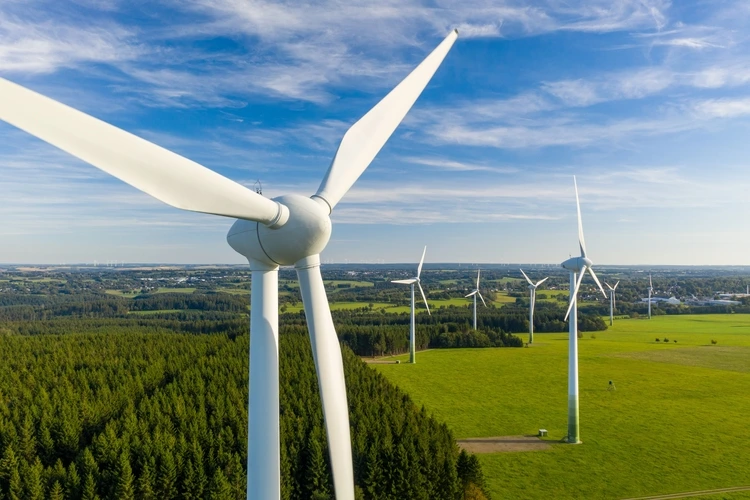
For the first time ever, the world’s wind and solar farms have generated more electricity than coal plants, according to a report from climate thinktank Ember. In the first six months of 2025, energy from renewables was higher than non-renewable sources, leading to a small decline in coal and gas use.
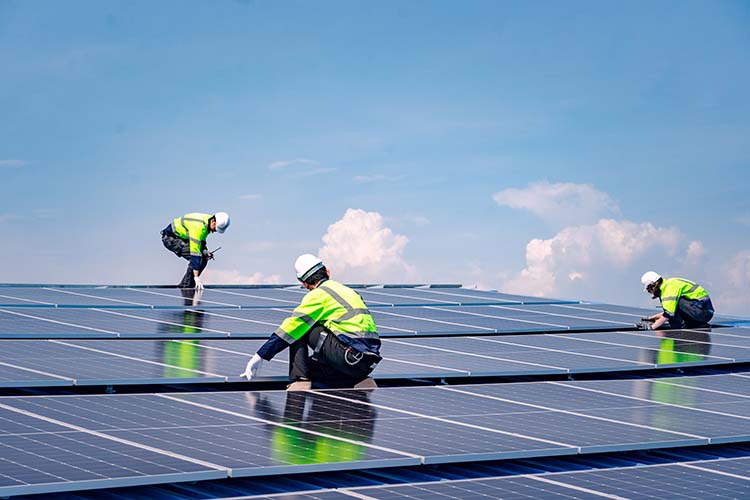
In the first half of 2025, the world generated almost a third more solar power compared to the same period in 2024. This met 83 per cent of the global increase in electricity demand.
Enjoying this article? Check out our related reads:
Most solar generation (58 per cent) is now in lower-income countries thanks to reductions in cost. Prices for solar have fallen by 99.9 per cent since 1975, and are now so low that large markets for solar can quickly appear in countries in relatively short time periods. Nations vying for solar include Pakistan, which imported solar panels generating 17 gigawatts of solar power in 2024 – double the previous year. As well as this, Africa is experiencing an uptick in solar production, with panel imports up 60 per cent year on year.
Smaller African nations have also been home to rapid growth, with Algeria increasing imports 33-fold, Botswana sevenfold and Zambia eightfold.
‘This analysis confirms what we are witnessing on the ground: solar and wind are no longer marginal technologies – they are driving the global power system forward,’ said chief executive of Global Solar Council Sonia Dunlop.
‘The fact that renewables have overtaken coal for the first time marks a historic shift.’
Despite this promising news, Ember say there is a mixed picture globally in terms of fossil fuel consumption. While nations like China – which added more clean energy in a year than every other country combined – led the clean energy change, countries including the EU and US relied more than ever before on planet-warming fossil fuels. In the US, electricity demand grew faster than clean energy output, increasing reliance on fossil fuels. In the EU, weak wind and hydropower performance lead to an increased use of oil and gas.
Such a divide is predicted to become more pronounced, according to a separate report from the International Energy Agency (IEA). In it, researchers predict renewables will grow less strongly in the US due to policies enforced by the Trump administration.
According to the IEA, China would remain the world’s biggest growth market for renewables, with India in second-place across the rest of the decade. China’s prominence is clear: in August 2025, its clean tech exports hit a record $20 billion, a surge attributed to sales of electric vehicles and batteries.
‘In addition to growth in established markets, solar is set to surge in economies such as Saudi Arabia, Pakistan and several south-east Asian countries,’ said IEA executive director Faith Birol.